





A steaming mug of reishi has its place: a slow evening ritual, an earthy pause, a signal to downshift. But reishi tea versus extract powder is not simply a question of hot water versus convenience. It is a question of what the mushroom can give up, how consistently you want to use it, and whether your protocol is built for ritual, potency, or both.
Reishi has earned its reputation over centuries as a revered tonic mushroom. Modern users reach for it to support a steadier baseline - resilience under pressure, restorative sleep routines, immune balance, and the long game of healthy aging. The format you choose changes the experience.
Reishi Tea Versus Extract Powder: The Core Difference
Tea begins with a preparation. Dried reishi slices, chunks, or powder are simmered in water, often for 20 minutes or longer. The result is a dark, bitter, woody brew that carries water-soluble compounds from the mushroom. It is traditional, tactile, and easy to make part of a nightly rhythm.
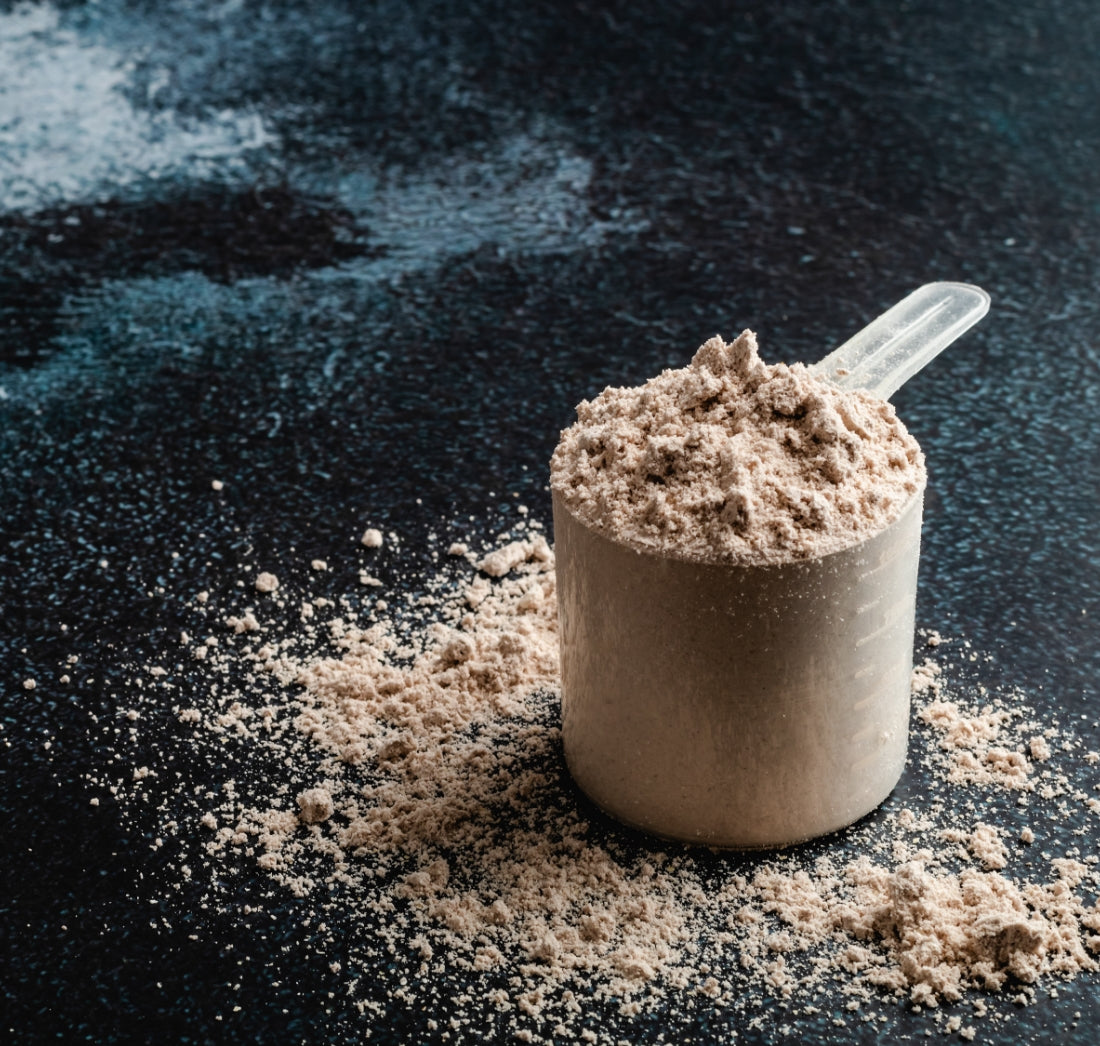
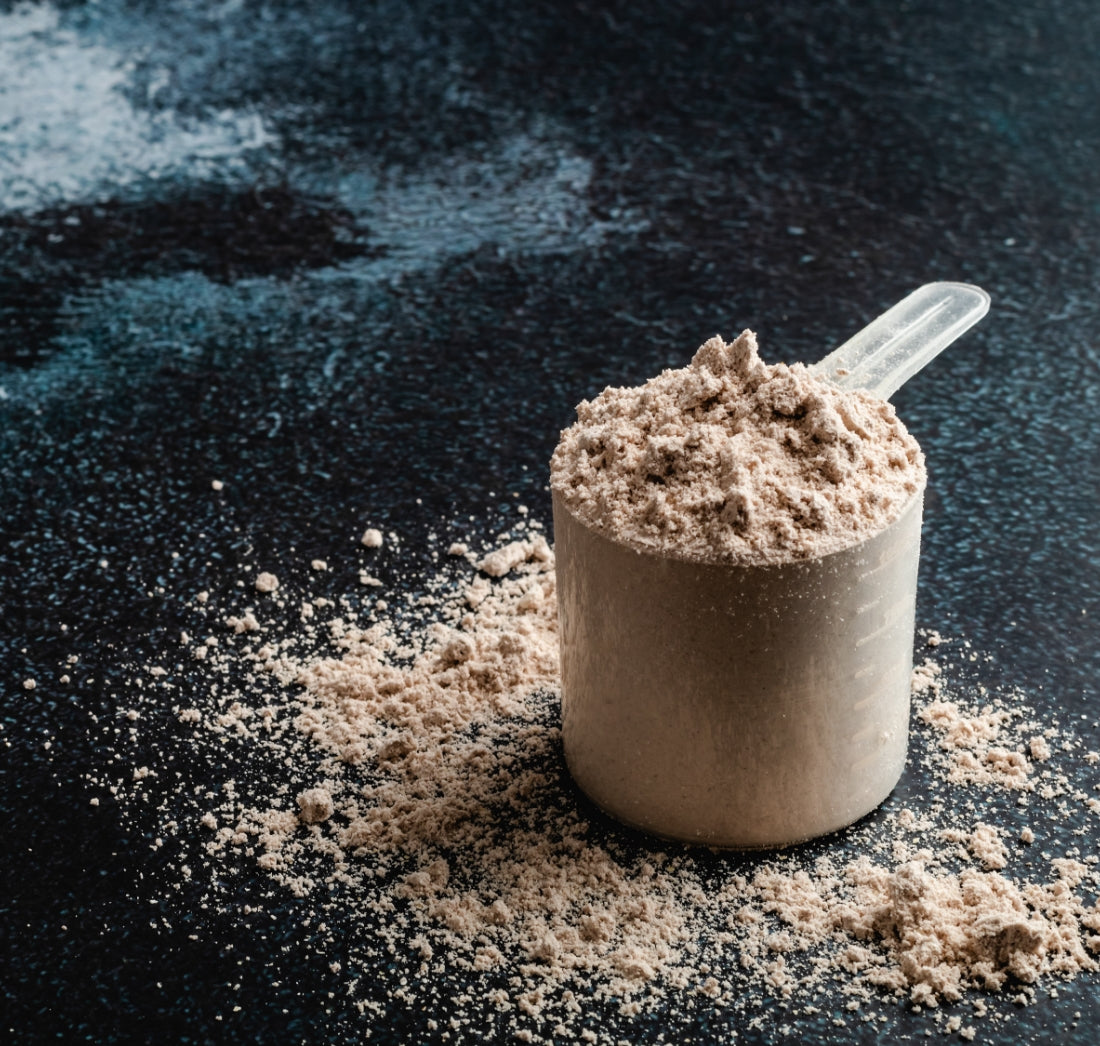
Extract powder begins with a more intensive process. Reishi material is extracted with water, alcohol, or both, then concentrated and dried into a powder. A well-made extract is designed to deliver more of the mushroom's desirable compounds in a smaller serving. You can stir it into coffee, tea, cacao, broth, or a smoothie without committing to a long simmer.
The distinction matters because reishi contains different families of compounds with different solubility. Hot water is especially useful for drawing out polysaccharides, including beta-glucans. Alcohol extraction helps capture triterpenes, the bitter compounds associated with reishi's distinctive character. A dual extract uses both approaches, making it a strong fit for those seeking a more complete expression of the mushroom.
Tea is a preparation. Extract powder is a concentrated ingredient. Neither is automatically superior, but they serve different standards.
When Reishi Tea Is the Better Choice
Choose tea when the practice itself is part of the benefit. Preparing reishi invites you to slow down. It creates a clean boundary between the output of the day and the restoration that follows. For some people, that consistency is more valuable than any number on a supplement facts panel.
Whole reishi tea also gives you a direct relationship with the raw material. You can see the slices, smell the forest-like aroma, and adjust the brew to your taste. Simmer it with cinnamon, ginger, cacao, or a little honey if the bitterness feels too severe. Reishi is not trying to taste like dessert. Its bitter edge is part of its traditional identity.
Tea can also be economical when you are working with bulk dried mushroom and enjoy repeated decoctions. A single batch of tougher reishi pieces may be simmered more than once, though each subsequent brew will be lighter. This makes sense for the person who wants an evening tonic and is willing to give it time.
The trade-off is consistency. The strength of a home brew depends on the quality of the mushroom, the amount used, particle size, water volume, temperature, and simmer time. Two cups made from the same bag may not deliver the same experience. Tea also may not capture the full range of alcohol-soluble triterpenes unless it has been made from an extract or paired with an alcohol-based preparation.
When Extract Powder Earns Its Place
Extract powder is built for the disciplined daily protocol. You measure a serving, take it, and move on. That simplicity is not a shortcut in the negative sense. It is often what allows a beneficial practice to survive real life: early training sessions, travel, long workdays, and packed family calendars.
A quality reishi extract can offer greater concentration per gram than raw mushroom powder or casually brewed tea. For people who use functional mushrooms with specific intention, this density matters. Instead of trying to drink a large volume of bitter liquid, you can add a measured amount to a morning beverage or an evening cacao ritual.
Extracts are also easier to combine with other foundational practices. Reishi powder can sit alongside protein, minerals, colostrum, or a simple whole-food meal without adding another complicated preparation. The best protocol is rarely the most elaborate one. It is the one you repeat long enough to notice how it fits your system.
Still, the word “extract” on a label is not a guarantee of quality. Some products rely on vague mushroom claims, starch-heavy inputs, or low-dose blends that look impressive only from a distance. The work is in the details.
What to Look for in a Reishi Extract
Start with the mushroom source. Fruiting-body material is generally the standard sought by ingredient-literate buyers, rather than a product built primarily from grain-grown mycelium. Mycelium can be a legitimate material, but labels should be transparent about what you are actually getting.
Then look for the extraction method. A hot-water extract may be appropriate when beta-glucans are the priority. A dual extract is often the more comprehensive choice for reishi because it can include both water-soluble compounds and triterpenes. If a brand specifies extraction details and provides meaningful compound information, that is more useful than a dramatic ratio printed on the front of the bag.
Extraction ratios, such as 8:1 or 10:1, can be helpful context, but they are not a complete quality test. Ratios do not tell you the original material's quality, whether the extract was standardized, or how much active mushroom compound is present in the final serving. Clear sourcing, a concise ingredient deck, and transparent testing standards carry more weight.
Finally, avoid confusing plain mushroom powder with extract powder. Ground whole reishi may still be useful as a food-like ingredient, but it is not concentrated in the same way. If potency is your objective, read past the front label.
Potency Is Not the Only Measure
The strongest-looking product is not always the best choice for your life. If an extract sits untouched because you dislike the taste in your usual drinks, a tea ritual you genuinely enjoy may be the wiser protocol. If brewing feels like one more task at the end of an already demanding day, extract powder may protect your consistency.
There is also a useful middle ground. Use extract powder as your dependable daily foundation, then make reishi tea when you want the ceremony. The extract handles the practical side of your routine. The tea gives the mushroom a larger place in your evening, especially in colder months or during periods when you need to deliberately create more recovery space.
Timing depends on your response. Many people prefer reishi later in the day because its earthy, settling character suits an evening routine. Others take it in the morning and find it supports a more even pace. Begin with the product's suggested serving, use one format consistently for a few weeks, and pay attention to your own markers: sleep quality, digestion, stress tolerance, and how the routine feels to maintain.
A Few Smart Precautions
Reishi is powerful enough to deserve respect, especially in concentrated form. Speak with a qualified clinician before using it if you are pregnant or nursing, preparing for surgery, managing a bleeding disorder, taking blood-thinning or antiplatelet medication, or using prescription immune-modulating drugs. If you have mushroom allergies, skip it.
More is not always better. Start conservatively, particularly if you are new to functional mushrooms or already use several supplements. A potent formula should support a resilient routine, not turn it into a chemistry experiment.
Choose the Format That You Will Actually Honor
Reishi tea is for the person who values the simmer, the bitterness, and the ancient pace of a decoction. Extract powder is for the person who wants concentrated mushroom support with less friction and more precision. Both can belong in a serious wellness practice when the material is clean, the extraction is honest, and the ritual fits your real life.
Build your reishi practice like any worthwhile form of self-mastery: choose quality, keep it simple, and give the protocol enough time to become part of your terrain.


