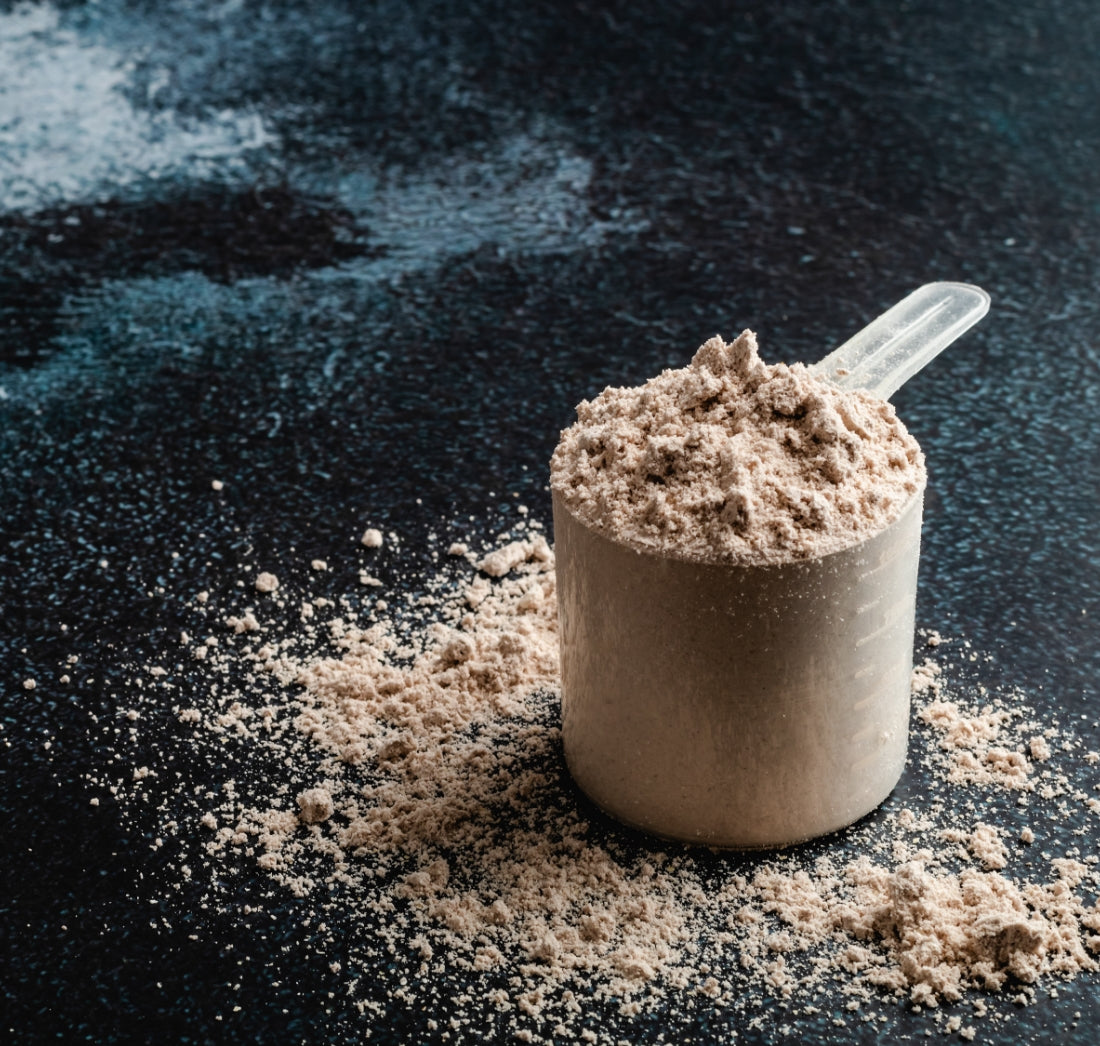
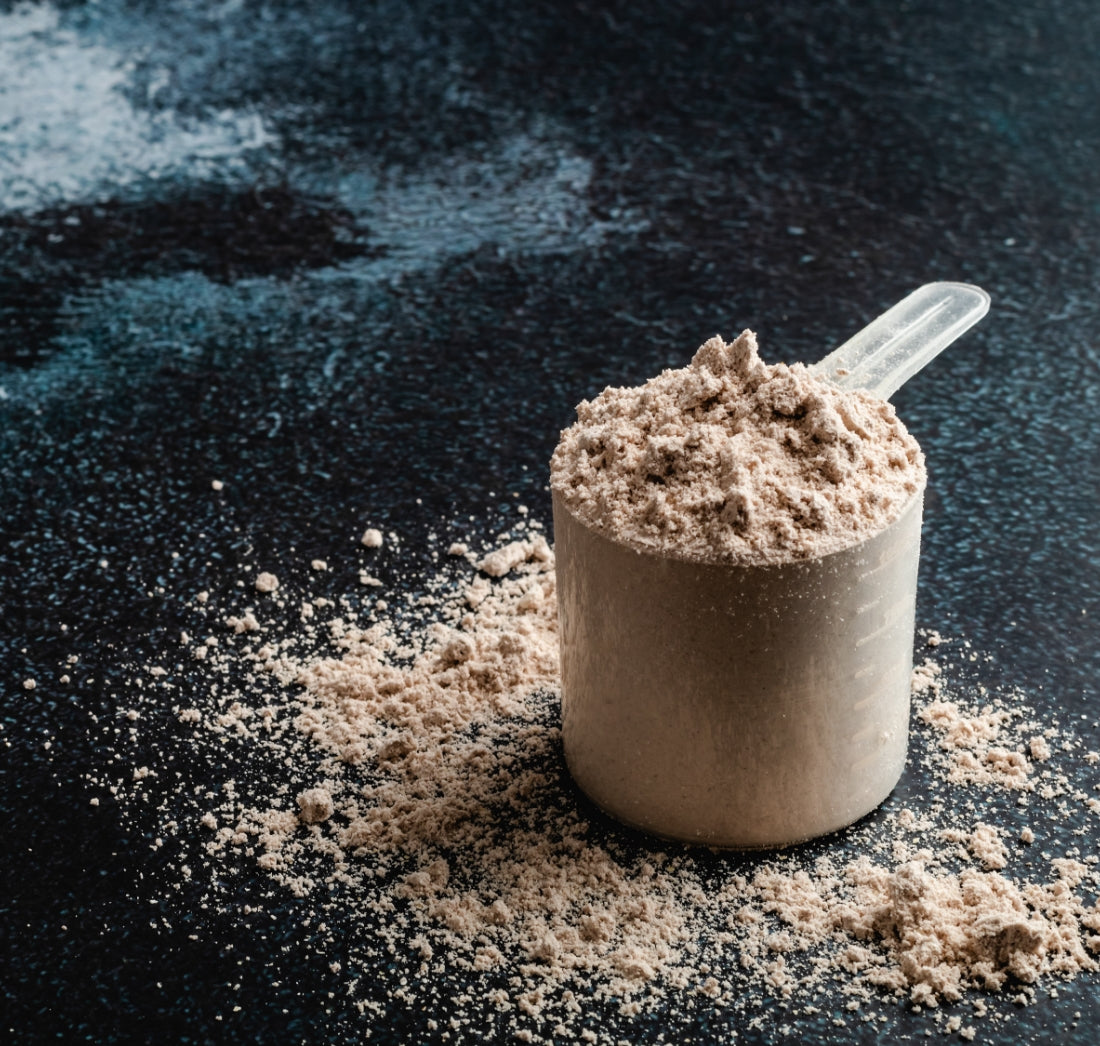






A hard training session, a long day outdoors, or a demanding workweek all ask the same question of your body: do you have enough raw material to rebuild? Plant protein can be a powerful part of that answer, but the label alone does not tell the whole story.
The source, amino acid profile, serving size, processing method, and the rest of your diet all matter. For the person building a resilient body rather than chasing a passing wellness trend, protein should be chosen with the same care as any other daily ritual.
What plant protein actually brings to the table
Protein is made of amino acids, the compounds your body uses to maintain muscle tissue, create enzymes and signaling molecules, and support countless daily repair processes. Some amino acids are essential, meaning food must supply them. A protein powder is not automatically superior because it is plant-based or animal-based. Its usefulness comes down to what it delivers per serving and how it fits your needs.
Many people reach for plant protein because it can be easier to rotate into a varied diet, works for people avoiding dairy, and often carries naturally occurring compounds from the original food. Legumes, seeds, nuts, grains, and certain vegetables all contribute protein, alongside fiber, minerals, and phytonutrients when consumed as whole foods.
Powders serve a different role. They offer concentrated nutrition when cooking a full meal is not realistic - after training, during travel, or on a morning when breakfast needs to happen quickly. The goal is not to replace every meal with a shake. It is to make consistency easier.
Not all protein sources perform the same
The phrase “complete protein” refers to a source that provides all nine essential amino acids in sufficient proportions. Soy is commonly considered complete. Potato protein also has a strong amino acid profile. Pea and rice proteins have complementary strengths: pea tends to provide more lysine, while rice can help round out sulfur-containing amino acids such as methionine.
That does not mean you need to combine two powders in every glass. Your body draws amino acids from the foods you eat across the day. A diet that includes legumes, grains, seeds, vegetables, and other protein-rich foods can cover a great deal of ground. Still, a thoughtfully formulated blend can be a practical choice for people who want broader amino acid coverage in one serving.
Leucine deserves particular attention for active adults. This essential amino acid helps signal muscle protein synthesis, the process involved in repairing and building muscle tissue. Animal proteins often deliver more leucine per scoop, but well-designed plant blends can still contribute meaningfully, especially when the serving provides enough total protein.
The trade-off is simple: depending on the source, you may need a slightly larger serving of plant-based powder to reach the same protein and leucine intake as a smaller serving of whey. That is not a flaw. It is a planning consideration.
The source matters beyond the macros
Pea protein is a staple for good reason. It is generally neutral in flavor, mixes well, and provides substantial protein per serving. Rice protein can bring a lighter texture but may feel grittier on its own. Hemp offers healthy fats and minerals, though it typically provides less protein per scoop. Pumpkin seed protein has an earthy character and useful mineral content, but its amino acid profile differs from pea or soy.
Nut-based proteins deserve their own category. They can bring a deeply nourishing, food-forward quality that feels closer to a real ingredient than a laboratory exercise. Black walnut protein, for example, offers a distinctive, rich flavor and a less conventional alternative to the vanilla-cake-batter sameness of commodity powders. It may be especially appealing to those who value diverse food sources, though anyone with a tree-nut allergy should avoid it.
A clean ingredient deck matters. Look for a protein source you recognize, a transparent amount of protein per serving, and flavoring that does not turn a daily nutrition practice into a chemistry project. Sweeteners, gums, and natural flavors are not inherently bad, but they can affect taste, digestion, and how often you actually want to use the product.
How much protein do you need?
The answer depends on body size, training volume, age, appetite, and your broader health goals. The minimum daily protein recommendation is designed to prevent deficiency, not necessarily to optimize recovery or preserve lean tissue through demanding training and aging.
Many active adults do well with roughly 0.7 to 1 gram of protein per pound of body weight per day, with needs often rising toward the higher end during intensive training, calorie restriction, or later decades of life. This is a broad working range, not a prescription. If you have kidney disease or another condition requiring protein limits, follow guidance from your clinician.
Rather than treating protein as a single massive dinner, distribute it through the day. A breakfast with meaningful protein can set a stronger foundation than coffee and a pastry followed by an oversized evening meal. Aim to build meals around a substantial protein anchor, then use a shake to fill gaps rather than compensate for an underfed day.
For many people, a 20 to 40 gram serving after resistance training is a practical target. If your powder provides 20 grams, pair it with food when needed: yogurt if dairy works for you, a meal with eggs or fish, oats and nut butter, or a substantial lunch. Context beats dogma.
Make the shake worthy of the ritual
A protein shake should not taste like punishment. It should be easy enough to become part of your rhythm and substantial enough to carry you through the next demand.
For a leaner post-workout option, blend plant protein with cold water, ice, berries, and a pinch of sea salt. The fruit provides carbohydrates that can be useful after hard sessions, while the salt supports a more satisfying flavor and helps replace some sodium lost through sweat.
For a more complete breakfast, combine protein powder with unsweetened milk of choice, frozen fruit, oats, nut or seed butter, and cinnamon. This creates a slower, more filling meal with protein, carbohydrates, fats, and fiber. If digestion is sensitive, start simpler. A shake with five “superfood” additions may sound impressive, but it can make it harder to identify what does or does not agree with you.
At Surthrival, the better standard is not maximum ingredient count. It is purposeful nourishment: potent ingredients, clear sourcing, and a protocol you can sustain.
Timing helps, but consistency wins
The so-called anabolic window is wider than once believed. You do not need to sprint from the squat rack to the blender. Having protein within a few hours around training is sensible, particularly if you trained fasted or have not eaten for several hours. Yet your total daily intake and regular meal pattern matter more than minute-by-minute timing.
Use protein strategically where your diet is weakest. For some, that is breakfast. For others, it is the late afternoon period when hunger leads to grazing, or the hour after training when a complete meal is still far away. A shake is most valuable when it prevents a predictable nutritional gap.
Read the label like a person who expects more
A premium plant protein should make its identity clear. You should be able to see the source, protein amount, serving size, and any added ingredients without decoding proprietary blends. If a brand makes digestibility claims, consider your own experience rather than assuming a marketing promise will apply universally.
Watch for serving-size games. A scoop may look generous but deliver only 15 grams of protein, requiring two scoops to reach a useful amount. Also consider calorie density. That can be an advantage for someone trying to gain weight or support high-output training, while someone seeking a lighter recovery shake may prefer a more concentrated protein source.
Third-party testing and transparent sourcing are worth seeking, especially for products used daily. This is less about fear and more about standards. The foods and formulas you repeat become part of your foundation.
Plant protein is not a badge of dietary purity, nor is it a compromise by default. Choose a source you digest well, a serving that supports your actual output, and a routine you can keep when life gets busy. Strength is built through what you do repeatedly - one well-fed day at a time.


