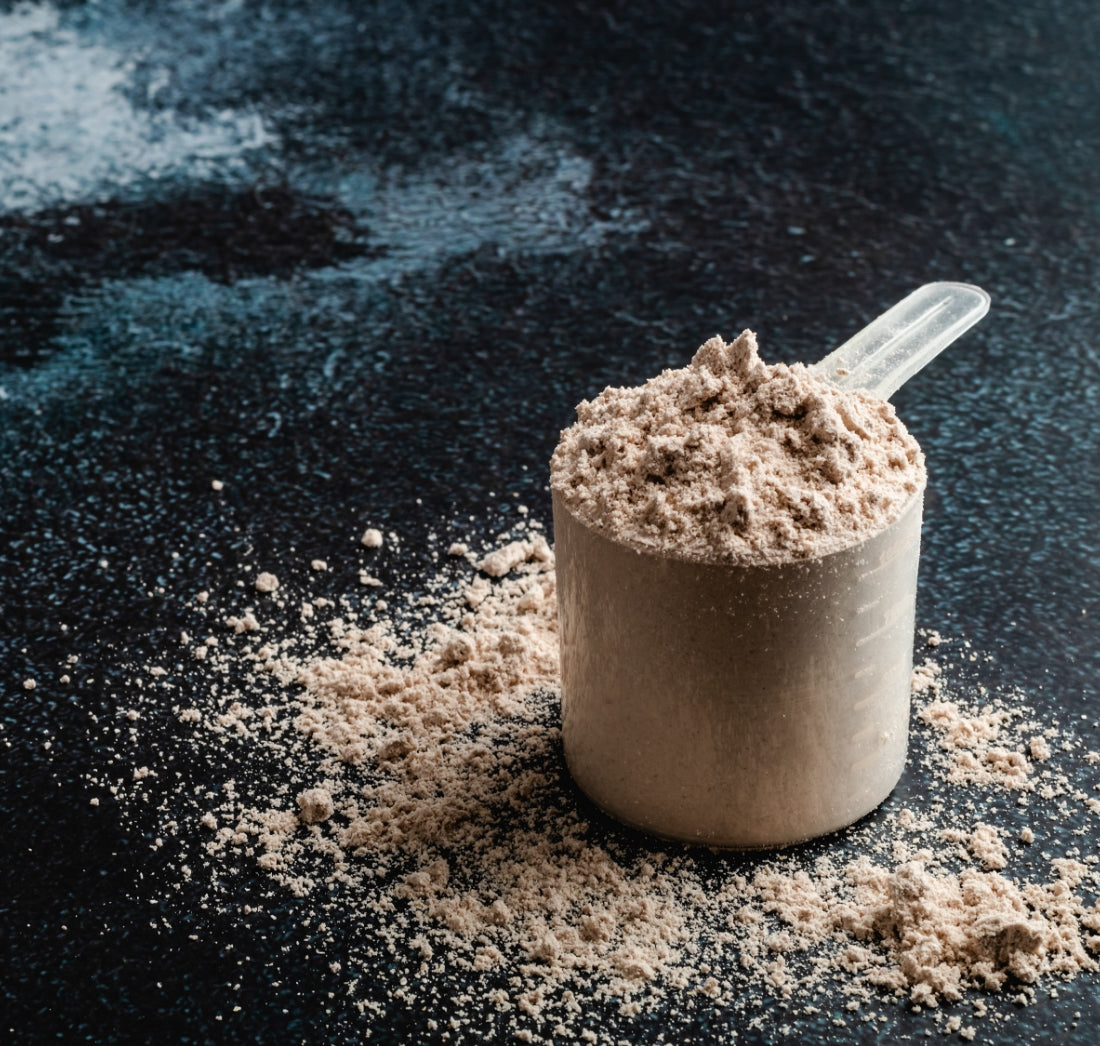
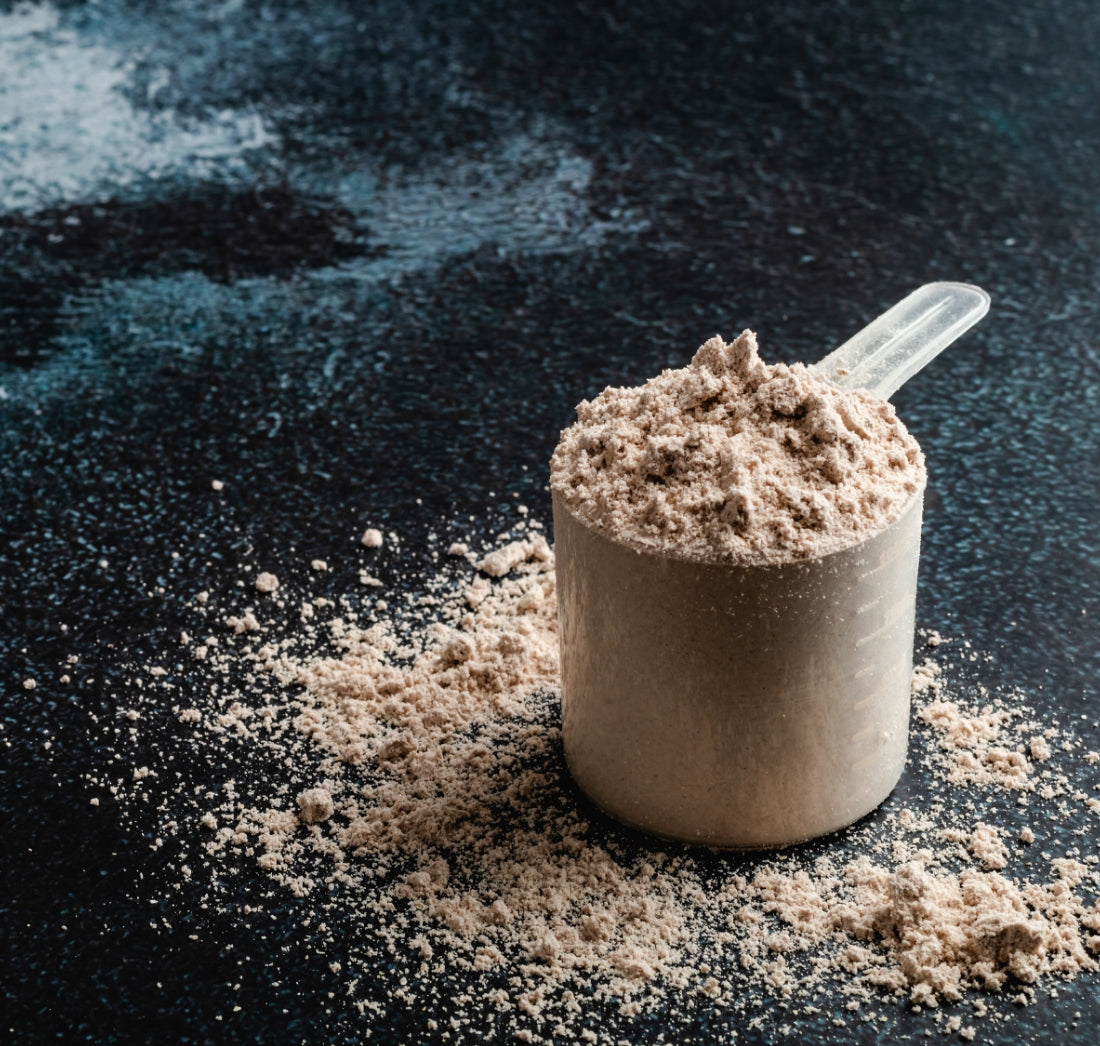






A modern diet can look clean on paper and still leave something missing. Plenty of people hit their protein target, buy organic produce, and train consistently, yet feel like their recovery, digestion, or daily output lacks depth. Ancestral nutrition supplements offer a more deliberate approach: concentrated forms of the nutrient-dense foods and tonic botanicals humans have valued for generations.
This is not about pretending modern life does not exist. It is about restoring a few high-value inputs that are hard to source, prepare, or consume consistently in a full calendar. Think of it as the Hunter’s Portion for people who train, build, parent, work, and expect more from their baseline.
What Makes Nutrition Ancestral?
Ancestral nutrition starts with a simple premise: some foods have traditionally been prized because they deliver an unusually dense return. First foods such as colostrum, mineral-rich organs, wild mushrooms, bitter herbs, and nutrient-dense animal foods were not everyday filler. They were valued portions, gathered or prepared with purpose.
That does not mean every traditional food is automatically right for every person. Nor does it mean modern nutrition science has nothing to offer. The useful middle ground is to recognize the value of whole-food compounds, then use thoughtful extraction and sourcing to make them practical.
A well-made ancestral formula should preserve what made the original food valuable. It should not hide behind a dramatic label, a proprietary blend, or a long deck of flavoring agents and cheap fillers. The standard is straightforward: recognizable ingredients, meaningful concentration, and a reason for every component.
Why Ancestral Nutrition Supplements Fit Modern Life
The gap between traditional nourishment and current eating patterns is not a lack of calories. It is often a lack of variety, potency, and consistency. Many people no longer eat organ meats regularly. Wild-foraged fungi are not a pantry staple. Fresh, quality colostrum is not a realistic daily option for most adults.
Supplements can bridge that gap when they are treated as concentrated foods rather than magic. They cannot replace protein-rich meals, sleep, sunlight, movement, or a diet built around real ingredients. They can, however, make a meaningful protocol easier to sustain.
Concentration without the commodity formula
The best ancestral formulas are designed to do more with less. A concentrated mushroom extract, for example, can be more practical than trying to eat large amounts of raw mushroom material. A carefully prepared organ blend can provide the nutritional character of foods many people struggle to prepare or tolerate.
Concentration also demands discernment. More milligrams are not always better. The source material, the extraction method, the active compounds retained, and the purity of the finished product matter far more than an oversized number on the front label.
A protocol, not a scavenger hunt
The point is not to collect every potent ingredient in the natural world. A cabinet full of half-used powders is not a health strategy. Better results usually come from choosing a small number of products that match a real need, using them consistently, and observing how your body responds.
Someone focused on hard training may prioritize foundational protein intake, colostrum, vitamin D status, and recovery-supportive foods. Someone rebuilding after a season of poor digestion may begin with a simpler approach: meals they digest well, digestive bitters, and a quality first-food formula. The protocol should serve the person, not the trend.
The Core Categories Worth Understanding
Not all ancestral nutrition supplements serve the same purpose. Knowing the broad categories helps you choose with precision rather than buying based on a single flashy claim.
Colostrum: nature’s first food
Bovine colostrum is the first nourishment produced for newborn calves. It contains proteins, immune factors, and naturally occurring compounds that have made it a long-standing subject of interest for gut and immune support. For active adults, it is often used as part of a resilience-focused routine, especially during demanding training blocks or travel-heavy seasons.
Quality matters here. Look for a clean formula and responsible sourcing. If you have a dairy allergy or sensitivity, colostrum may not be the right fit. As with any new supplement, begin conservatively and pay attention to tolerance.
Organ-based nutrition: the forgotten dense foods
Liver and other organs deliver nutrients that ordinary muscle meat does not provide in the same proportions. They are traditional foods, but their flavor and preparation are a barrier for many people. Organ blends offer a practical route for those who want food-based nutritional density without forcing a weekly liver ritual.
They are not a free pass to ignore the rest of the plate. They work best alongside adequate protein, colorful plants, healthy fats, and sufficient total calories for your activity level. People who are pregnant, managing iron-related conditions, or taking certain medications should speak with a qualified clinician before adding concentrated organ products.
Wild mushrooms and tonic botanicals
Chaga and reishi occupy a different lane. These are not replacements for vegetables or a fast answer to fatigue. They are traditional tonic ingredients used by people looking to build a more resilient daily rhythm. A quality extract can offer a concentrated, convenient way to include them in coffee, tea, smoothies, or a simple daily ritual.
Sourcing is central. Wild-foraged ingredients need careful species identification, responsible harvesting, and testing for contaminants. Mushrooms and botanicals can also interact with medications or be unsuitable for certain health conditions, particularly autoimmune issues or blood-thinning therapy. Natural is not a synonym for universally appropriate.
Targeted foundations still count
Ancestral does not mean rejecting targeted nutrients. Vitamin D3 and K2, for instance, can be a practical addition when sunlight exposure is low or dietary intake is insufficient. The key is context. Testing, season, geography, diet, and clinician guidance can all shape whether a targeted nutrient belongs in your stack.
A mature approach combines the old and the useful: food-first foundations, potent traditional ingredients, and specific support where modern life creates a clear need.
How to Build an Ancestral Supplement Protocol
Start with the outcome, not the ingredient. Do you want more dependable digestion? Better training recovery? A stronger nutritional foundation during a demanding season? One clear objective prevents the common mistake of introducing five products at once and having no idea what is helping.
Next, establish your non-negotiables. Meals, sleep, hydration, movement, and daylight are not glamorous, but they determine whether supplementation has fertile ground to work with. If your meals are chaotic and sleep is fractured, begin with one supportive formula instead of chasing an elaborate stack.
Then add one category at a time. Give it enough time to become a ritual, usually several weeks, unless you notice an unwanted reaction. Track a few practical markers: digestion, energy stability, training readiness, sleep quality, and how consistently you use it. The goal is not hypervigilance. It is honest feedback.
For many people, the most durable protocol is small. A foundational food-based supplement in the morning, a tonic extract incorporated into an existing beverage ritual, and a targeted nutrient used according to individual needs can be plenty. Surthrival was built around this kind of disciplined simplicity: potent ingredients with a clear place in daily life.
How to Separate Potency from Marketing
The ancestral category attracts big promises, so read labels with a clear eye. Start with the actual ingredient list. Can you identify the source? Is the amount disclosed? Does the formula rely on a meaningful extract or mostly on inexpensive carrier ingredients? A concise label is often a good sign, though it is not the only sign.
Ask how an ingredient was sourced and prepared. For animal-based products, responsible standards and careful handling matter. For wild botanicals, origin and purity matter. For extracts, the method and the compounds retained matter. A premium price is justified only when the raw materials, testing, and formulation support it.
Be cautious with claims that promise to fix everything. Great supplements support a system. They do not override poor recovery, replace medical care, or guarantee a particular physique. If you have a health condition, are pregnant or nursing, or use prescription medication, bring a qualified healthcare professional into the decision.
Make the Ritual Strong Enough to Last
The real power of ancestral nutrition is not nostalgia. It is the decision to feed your biology with more intention, even when your schedule is modern and demanding. Choose fewer inputs. Choose them well. Let each one earn its place through quality, consistency, and how it helps you show up for the work that matters.


