





The real test of aging well is not a number on a birthday card. It is whether you can train with intent, rise from the floor without hesitation, carry what needs carrying, think clearly, and recover well enough to do it again tomorrow. Active aging supplements can support that standard, but only when they reinforce the essentials: protein-rich food, mineral status, strength training, sleep, daylight, and time outdoors.
There is no capsule that can replace a life built around movement and nourishment. There are, however, concentrated tools that can help close meaningful gaps. The right protocol is not about collecting bottles. It is about choosing potent ingredients with a clear role in your long game.
What Active Aging Supplements Should Actually Support
A useful active-aging protocol serves the systems that determine how capable you feel decade after decade: muscle and connective tissue, bones, immune defenses, digestion, energy production, and recovery capacity. That means looking beyond the cosmetic promise of “anti-aging.” The better aim is resilience.
Resilience looks like maintaining lean mass when life gets busy. It looks like recovering after a hard hike, a lifting session, travel, or poor sleep. It means building a nutritional reserve so an occasional stressor does not knock you off course for weeks.
The best active aging supplements also make sense in the context of your diet. A person who eats ample high-quality protein, fatty fish, eggs, vegetables, and mineral-rich whole foods may need a different protocol than someone whose meals are rushed, plant-heavy, or inconsistent. Start with what is missing, not what is trending.
Build the Foundation Before Chasing the Edge
Protein is the raw material for capability
Muscle is not just for athletes. It is metabolic tissue, a reserve of strength, and a major predictor of independence later in life. Adults often underestimate how much protein they need to preserve muscle through their forties, fifties, and beyond, especially when they train, diet, or live under chronic stress.
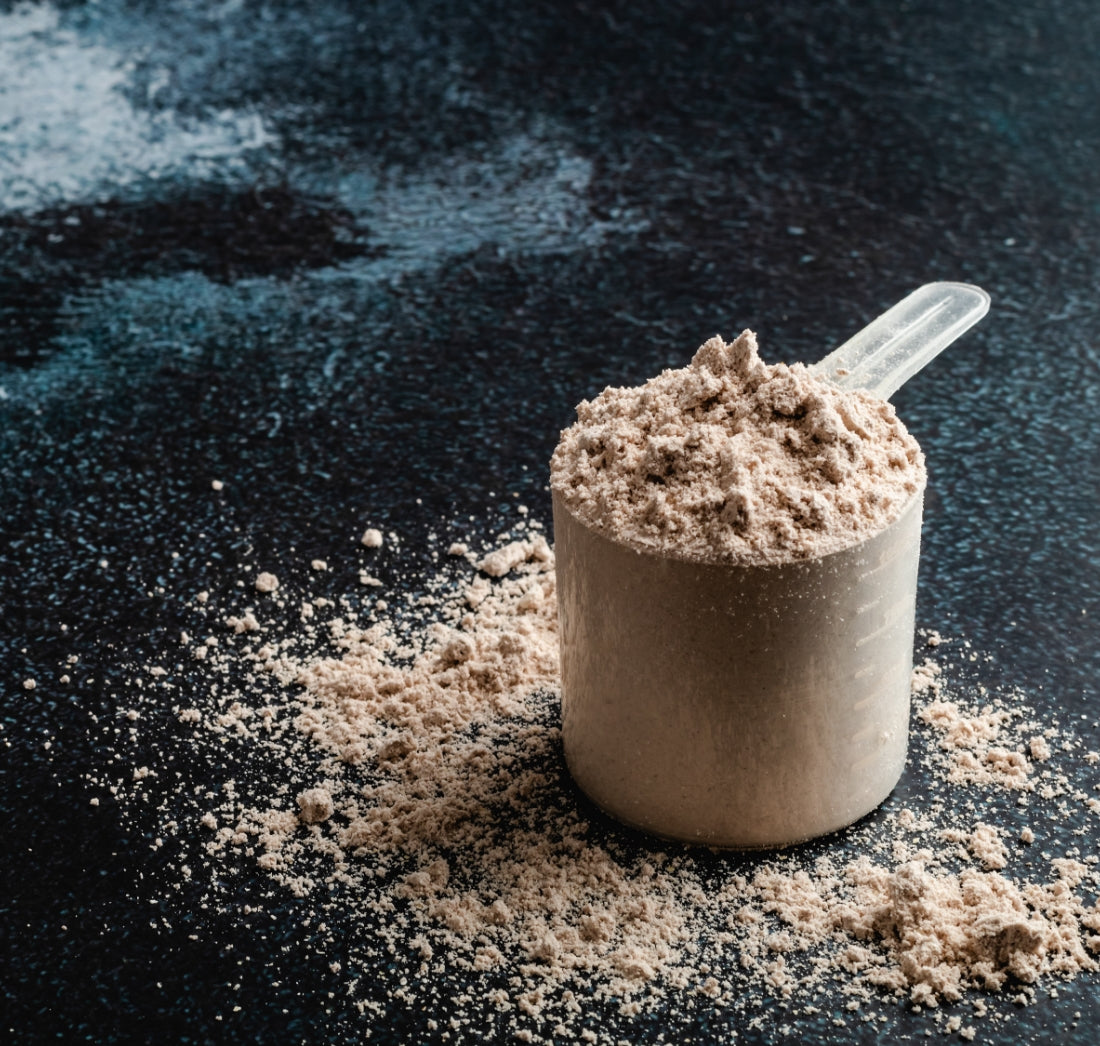
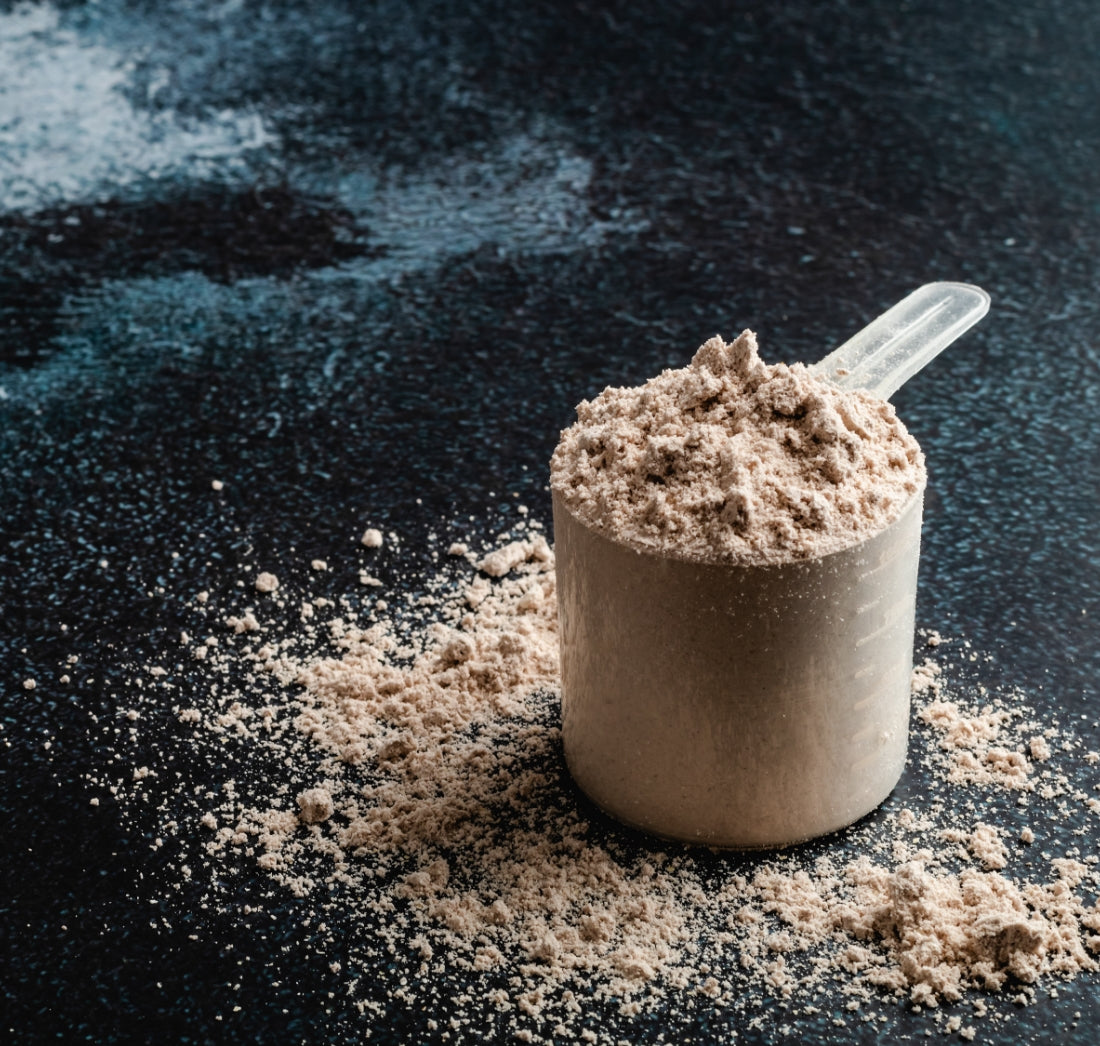
Whole-food protein should lead. When meals fall short, a clean supplemental protein can make consistency easier. Look for a formula that fits your digestion and dietary pattern, whether that is a thoughtfully sourced animal-based option or a plant protein with a concise ingredient deck. The goal is not to replace real meals. It is to make sure your body has the building blocks to repair and adapt.
Pair protein with resistance training. Even a simple practice of squats, carries, rows, presses, hinges, and regular walking gives dietary protein somewhere useful to go. Supplements work better when the body receives a signal to build.
Vitamin D3 and K2 support the structure beneath movement
Bone health rarely feels urgent until it becomes limiting. Vitamin D supports calcium absorption and normal immune function, while vitamin K2 helps direct calcium toward the places where it belongs, including bone. For people with limited sun exposure, indoor workdays, darker winter months, or a documented low vitamin D level, this combination can be a practical foundation.
Testing is better than guessing when possible. Vitamin D needs vary widely based on geography, season, body composition, sun habits, and diet. More is not automatically better. A targeted D3+K2 concentrate is most useful when it is part of an informed routine rather than an excuse to ignore daylight, movement, and nutrient-dense food.
If you use blood thinners or anticoagulant medication, speak with your clinician before adding vitamin K2. This is one of the places where a personalized approach matters.
Colostrum can be a tool for gut and immune resilience
Your digestive tract is where nourishment becomes usable. When digestion is compromised, even an excellent diet can fall short. Bovine colostrum is nature’s first food for mammals, rich in compounds that have made it a compelling ingredient for those focused on digestive integrity, immune support, and training recovery.
For active adults, colostrum may be especially attractive during periods of hard training, frequent travel, seasonal challenges, or digestive inconsistency. Its value is not that it makes discipline unnecessary. Its value is that it can support the terrain where recovery and resilience begin.
Quality matters here. Seek clean sourcing, meaningful potency, and a formula without a cluttered list of fillers. Those with a dairy allergy should avoid bovine colostrum, and anyone with a medical condition or active treatment plan should check with a qualified clinician before use.
Use Botanical Extracts With a Purpose
Mushrooms have earned a place in traditional tonic practices because they are not merely stimulants. Properly extracted chaga and reishi are often used to support a more durable response to stress, immune balance, and daily restoration. For the person who is already training, working, parenting, and carrying a full life, that measured support can be more valuable than another short-lived energy spike.
Reishi is often best suited to an evening or wind-down ritual, particularly for people seeking a calmer transition into rest. Chaga can fit earlier in the day as part of a coffee, tea, or functional beverage practice. The exact timing depends on your response, your sleep, and the rest of your protocol.
Not every mushroom powder is equal. Fruiting-body extracts, extraction method, sourcing, and concentration all influence what you are actually getting. Wild-foraged ingredients can be exceptional, but they demand responsible harvesting and careful testing. Potency without traceability is not a premium standard.
Traditional Animal-Based Nutrition Has a Role
Modern diets can be abundant in calories and strangely thin in the nutrients that support vitality. Organ-based formulas and animal-derived foods offer a practical way to bring nutrient density back into the picture, particularly for adults who do not regularly eat liver, heart, or other traditional foods.
These ingredients can provide naturally occurring vitamins, minerals, amino acids, and cofactors that are difficult to recreate through an isolated, synthetic approach. They are not magic, and they are not mandatory for everyone. But for someone pursuing a food-first, ancestral approach to active aging, they can be a potent addition.
The trade-off is individual tolerance and total intake. If you already consume organ meats frequently or use multiple fortified products, it is worth reviewing the overlap. More nutrient density is not always better when it creates excess.
A Simple Protocol Beats a Crowded Cabinet
A disciplined protocol often begins with just two or three well-chosen products. Start by identifying the weakest link: low protein intake, limited sun exposure, poor digestion, inconsistent recovery, or a stress load that is eroding your training capacity.
Give a new supplement enough time to assess it. Add one variable, use it consistently, and pay attention to practical markers: digestion, sleep quality, soreness, energy stability, training output, and how you feel after demanding days. Keep notes if your routine is complex. Your body gives better feedback when you stop changing five things at once.
For many Surthrivalists, the strongest stack is not exotic. It is a clean protein practice, intelligent D3+K2 support when needed, colostrum for digestive and immune terrain, and a potent mushroom extract matched to the rhythm of the day. The power is in repetition.
When to Be More Careful
Premium supplements still deserve respect. Pregnancy, breastfeeding, autoimmune conditions, kidney or liver disease, medication use, upcoming surgery, and known food allergies are all reasons to consult a licensed health professional before starting a new formula. This is particularly relevant with concentrated botanicals, vitamin K-containing products, and animal-derived ingredients.
Choose brands that are clear about what is in the product and what is not. Avoid proprietary blends that conceal doses, exaggerated promises, and formulas built on a long parade of inexpensive fillers. A short ingredient deck is often a sign that the formula has a job to do.
Aging actively is a practice of refusing to drift. Eat like your future strength matters. Train for the life you want to keep living. Then use supplements with the same standard: carefully chosen, consistently used, and worthy of the body you are building for the long haul.


