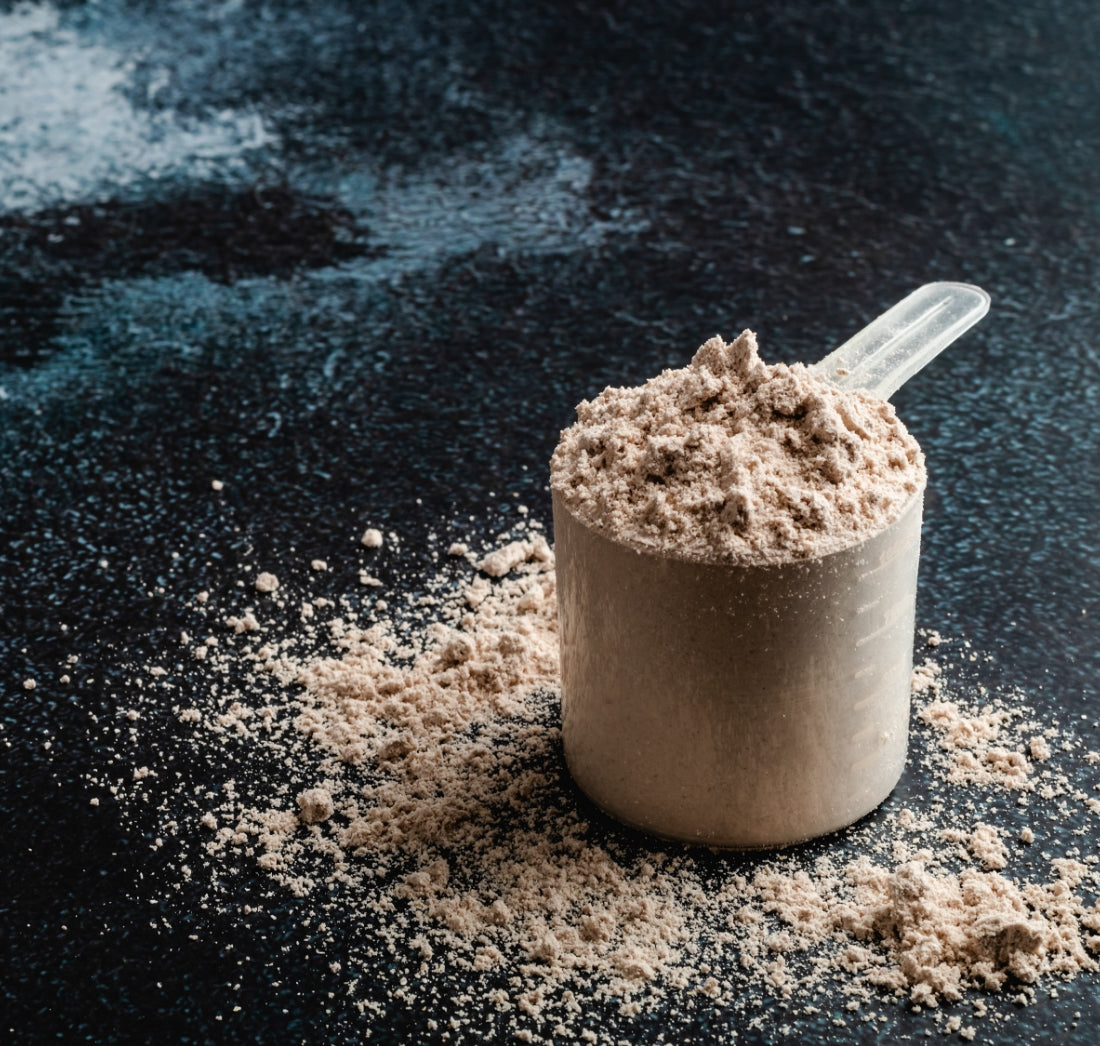
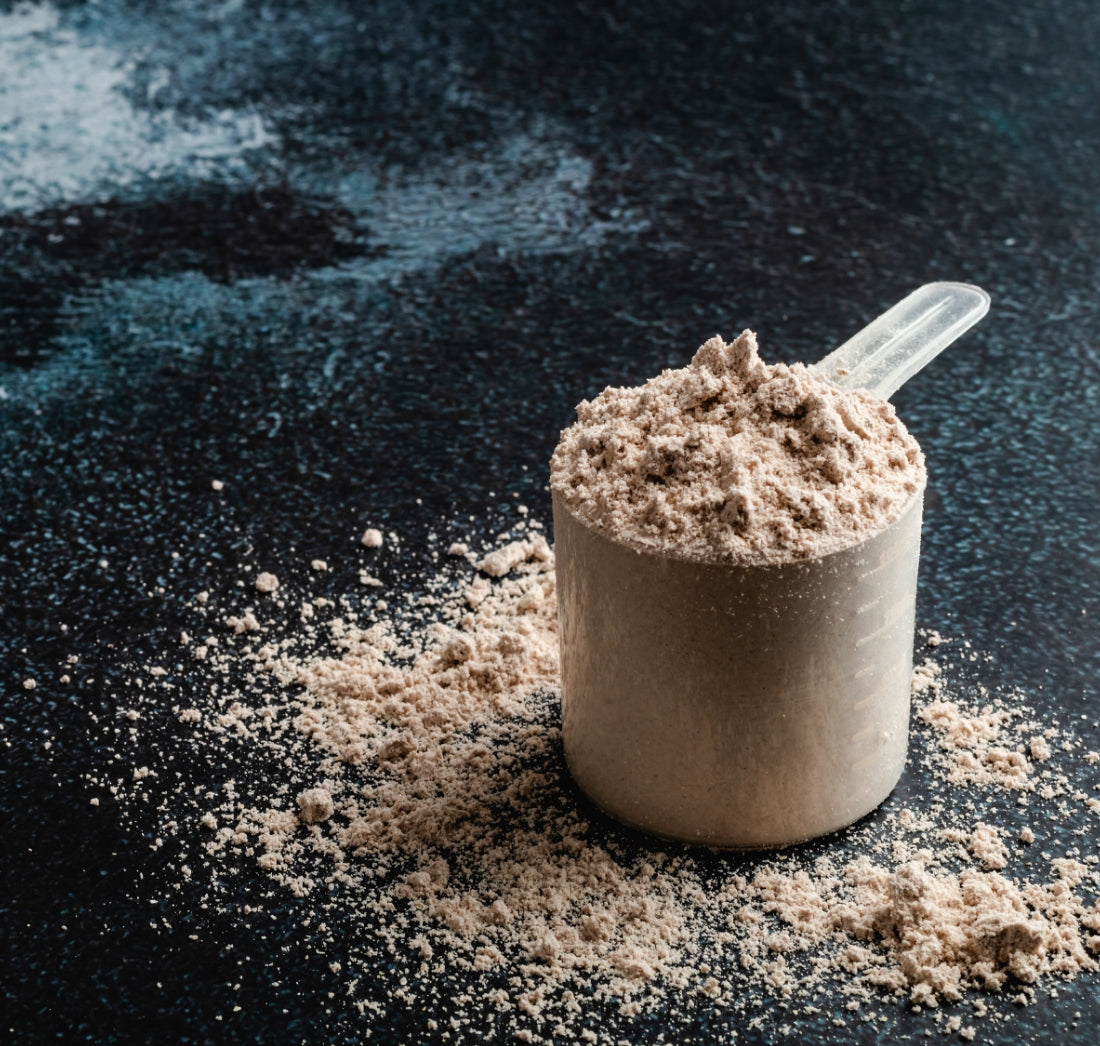






A protein shake should leave you ready to train, recover, and get on with your day - not searching for the nearest bathroom or carrying a tight, bloated gut through the afternoon. The best protein for sensitive stomachs is rarely about the biggest gram count on the label. It is about choosing a formula your system can actually break down, absorb, and use.
For some people, the culprit is lactose. For others, it is gums, sugar alcohols, artificial sweeteners, massive servings, or a plant blend loaded with fermentable fibers. A sensitive stomach is not one-size-fits-all, which means your protein protocol should not be either.
What Makes Protein Powder Hard to Digest?
Protein itself is not automatically the problem. The issue often sits in the ingredient deck surrounding it. Commodity powders can pack in thickeners, natural flavors, sweeteners, emulsifiers, and fibers designed to improve texture or cut costs. For a resilient digestive system, that may be no big deal. For a reactive one, it can turn a simple shake into a digestive burden.
Lactose is another common factor. Whey concentrate naturally retains more lactose than whey isolate, so someone who feels fine with a high-quality isolate may feel rough after the same serving size of concentrate. Milk proteins can also be difficult for people with a true dairy allergy or milk-protein sensitivity, even when lactose is removed.
Dose matters, too. Taking 40 or 50 grams of protein in one fast, cold shake after a hard workout can overwhelm even a generally healthy gut. A smaller serving, blended slowly into a meal or taken after training with water, may feel completely different.
The Best Protein for Sensitive Stomachs Depends on the Trigger
The right choice comes down to what your body reacts to. Rather than hunting for a universally perfect powder, start with the simplest formula that matches your tolerance and goals.
Whey Protein Isolate for Lactose Sensitivity
Whey isolate is often the strongest starting point for active people who tolerate dairy but struggle with standard protein powders. It is filtered to remove much of the lactose and fat, leaving a lean, complete protein with a naturally high leucine content. That makes it especially useful after lifting, endurance work, or any season where preserving lean mass matters.
Look for an unflavored or lightly flavored isolate with a short ingredient deck. The trade-off is that isolate can cost more than concentrate, and some people still react to dairy proteins regardless of lactose content. If that is you, do not force it. Your best powder is the one that feels calm in your gut consistently.
Egg White Protein for a Dairy-Free Complete Protein
Egg white protein is an underappreciated option for people who want a complete, animal-based protein without dairy. It contains all essential amino acids and tends to be lower in the ingredients that complicate many flavored shakes.
Its flavor and texture can be more distinct than whey, particularly in plain formulas. Blend it with fruit, cinnamon, or cacao if needed, but keep the recipe simple during your trial period. Egg white protein is not appropriate for anyone with an egg allergy, and some people find it foamy. Still, it is a worthy option when dairy is off the table and muscle recovery remains the mission.
Collagen for Gentle Daily Support, Not Complete Protein
Collagen peptides dissolve easily and are often exceptionally gentle. They can be a useful addition to coffee, oats, soups, or a post-training routine, particularly for those focused on connective tissue, skin, joints, and recovery from high-output living.
But collagen is not a complete protein. It is lower in certain essential amino acids and should not be your only protein source if the goal is muscle protein synthesis or meeting a daily protein target. Think of it as a strategic functional protein, not a full replacement for whey, egg, meat, fish, or a well-formulated complete plant blend.
Simple Plant Protein for Dairy-Free Digestion
Plant protein can work beautifully, but the formula matters more than the category. Pea protein is rich in protein and generally well tolerated, while rice protein can balance its amino acid profile in a blend. Hemp has a more earthy profile and contributes fats and fiber, though that same fiber can bother some sensitive stomachs at larger amounts.
The common mistake is assuming all plant powders are gentle by default. Some contain chicory root, inulin, large fiber additions, or sugar alcohols that can create serious gas and bloating. If you are sensitive to FODMAP-rich ingredients, a plain pea-and-rice blend with minimal extras is usually a more disciplined place to start.
Black Walnut Protein for Whole-Food Variety
For those looking beyond the usual whey-or-pea binary, black walnut protein offers a distinctive whole-food approach. Its naturally rich, nutty character can suit smoothies and recipes where a highly processed, candy-like shake is not the goal. Surthrival Black Walnut Protein is built around this more elemental philosophy: real-food nourishment with a concise ingredient standard.
It is not the right choice for anyone with a tree-nut allergy, and its amino acid profile differs from a complete animal protein. Pairing it with other protein-rich foods across the day is a practical move. Variety can be powerful, but it should still serve your individual digestion and performance needs.
Ingredients That Commonly Upset a Sensitive Gut
If a powder has failed you before, do not only compare protein sources. Read the full label. Several additions are frequent offenders:
- Sugar alcohols such as erythritol, xylitol, maltitol, and sorbitol can cause gas, cramping, or loose stools in sensitive users.
- Added prebiotic fibers, including inulin and chicory root, may be beneficial for some people but can be aggressive for others.
- Thickening gums like xanthan, guar, and cellulose gum can create bloating or discomfort in larger amounts.
- “Proprietary” flavor systems make it hard to identify what you are reacting to.
Build a Protein Protocol Your Gut Can Trust
Start with half a serving of one new protein powder for three to four days. Mix it with water first, not milk, nut butter, greens, fruit, collagen, and five other ingredients. If it sits well, move to a full serving. This is not glamorous, but it is how you learn what actually works.
Take note of how you feel for the next several hours. Bloating, reflux, cramps, unusual fatigue, skin reactions, or changes in bowel habits all count as useful feedback. Also look beyond the shake itself. A powder taken immediately after intense training, during a rushed commute, or alongside a huge meal may be harder to tolerate than that same powder taken in a quieter window.
For many active adults, spreading protein across meals is easier on digestion than forcing one oversized shake. A breakfast of eggs, a midday protein serving, and a protein-forward dinner can support recovery without turning your gut into a proving ground.
When It Is Time to Look Beyond the Powder
Persistent digestive symptoms deserve attention, especially if they are paired with unexplained weight loss, blood in stool, vomiting, severe pain, or ongoing diarrhea. A clinician or registered dietitian can help distinguish a product sensitivity from lactose intolerance, irritable bowel syndrome, celiac disease, inflammatory bowel conditions, or another concern that needs proper care.
There is no prize for tolerating a formula that makes you feel depleted. Choose the cleanest protein source your body welcomes, use the dose you can digest, and let each serving become part of a steadier practice of restoration. That is how nourishment earns its place in a life built for more.


