





A clean ingredient deck can feel like a win. But with oral care, the real question is not whether a formula looks more ancestral, minimal, or portable. It is whether your tooth powder versus toothpaste choice protects the hard-working terrain of your mouth: enamel, gums, saliva, and the bacterial balance that shifts with every meal.
Tooth powder can make brushing feel more intentional. Toothpaste offers familiar convenience and, often, a clearer path to cavity prevention. Neither format automatically wins. The right choice depends on your cavity history, enamel sensitivity, ingredient standards, and how consistently you use it.
Tooth Powder Versus Toothpaste at a Glance
Toothpaste is a paste or gel built around abrasives, humectants that keep it moist, flavoring, surfactants for foam, and active ingredients such as fluoride. It is designed to dispense easily, spread across the teeth, and stay stable in a tube.
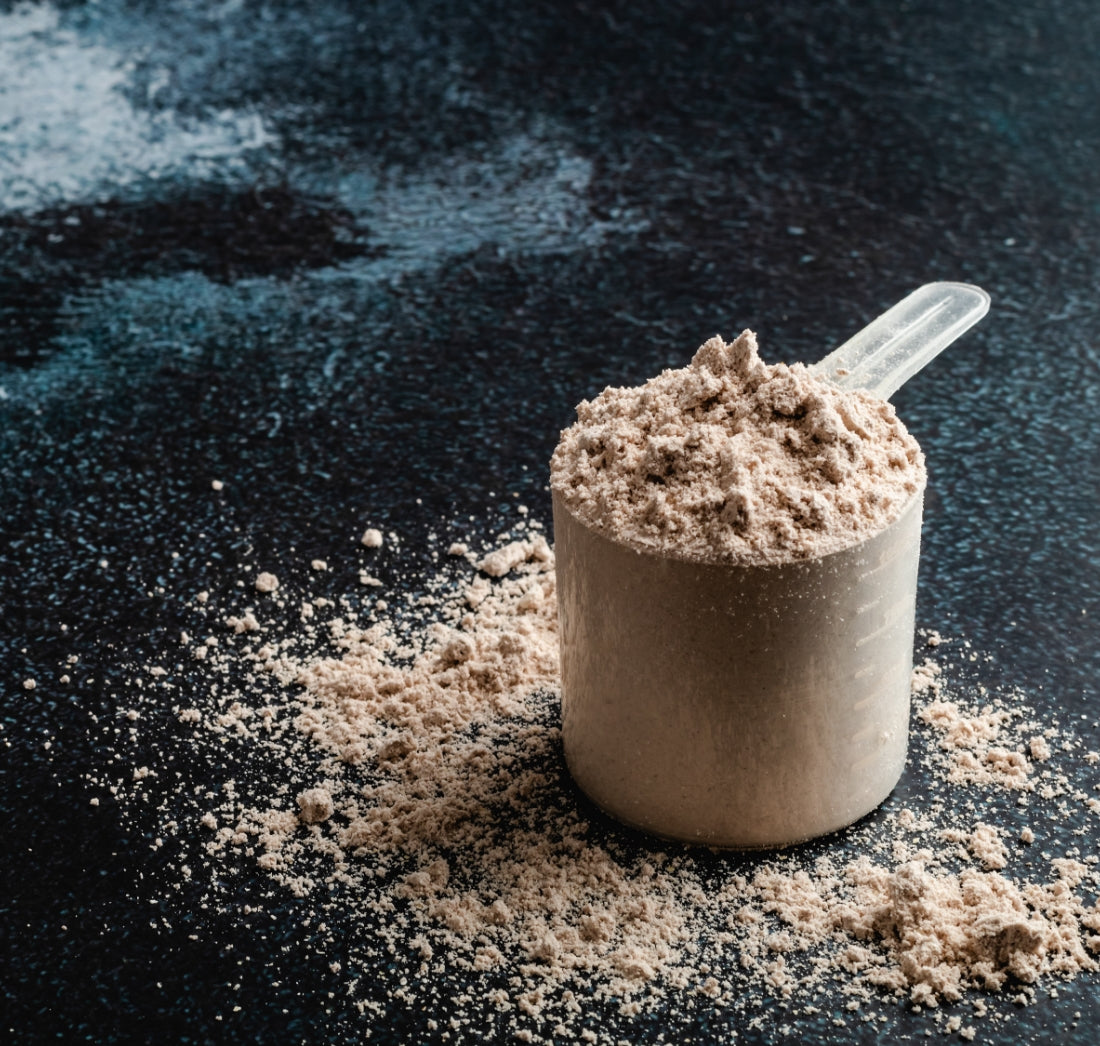
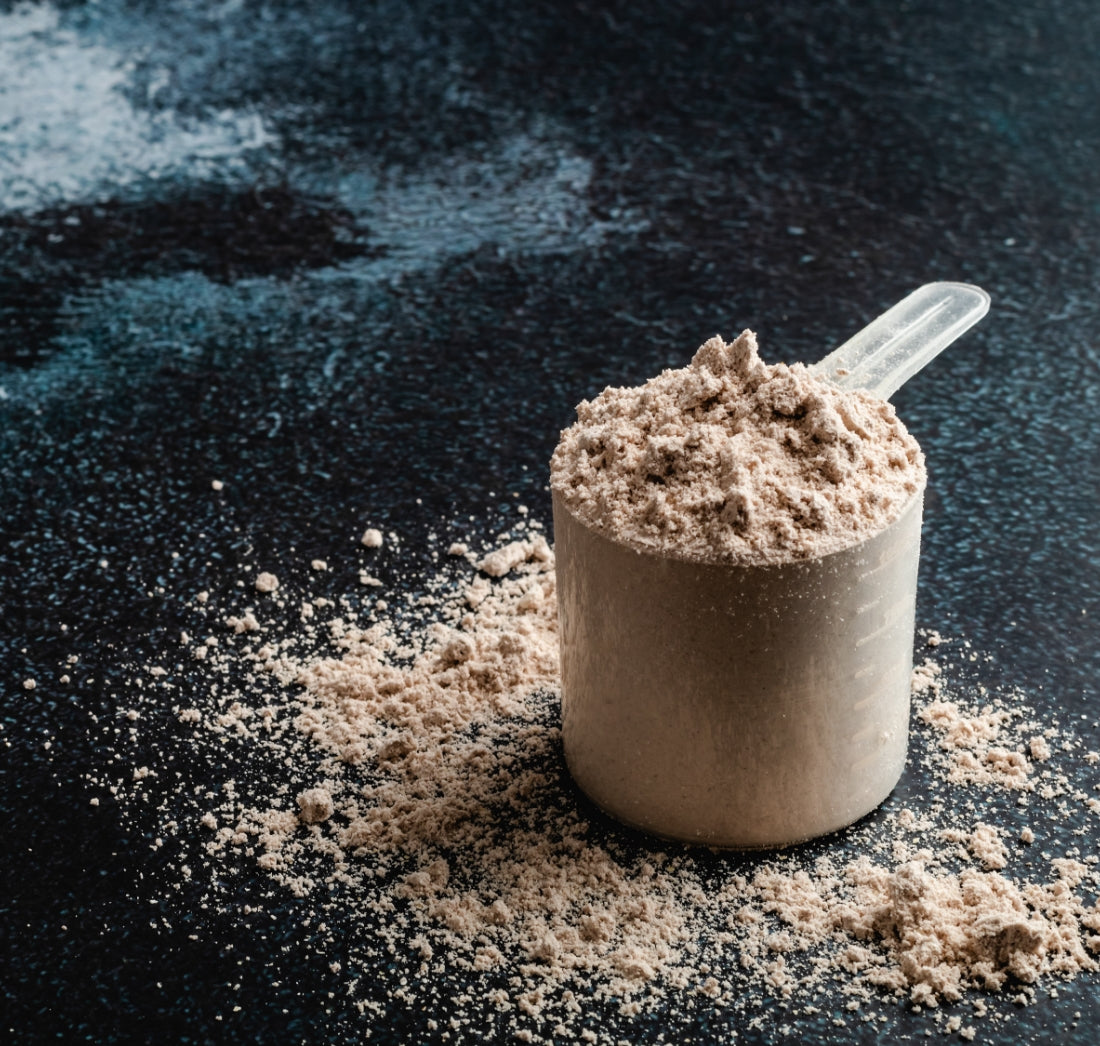
Tooth powder removes the water. Most formulas use a base of mineral or plant-derived powders, often paired with salt, clays, baking soda, herbs, essential oils, or flavoring. The dry format can mean fewer preservatives and a more concise label. It can also mean the user needs to look much harder at abrasivity and fluoride content.
The format itself does not determine quality. A toothpaste can be thoughtfully formulated and free of needless extras. A tooth powder can be clean, potent, and unpleasantly harsh on enamel. Ingredients and use pattern matter more than the jar or tube.
The First Decision: Fluoride or Fluoride-Free?
For most adults, fluoride is the central practical difference. Fluoride toothpaste has extensive evidence behind it for reducing cavities because it helps strengthen enamel during the normal cycle of mineral loss and repair. If you have had recent cavities, dry mouth, exposed roots, frequent snacking, orthodontic appliances, or a dentist who considers you high-risk, a fluoride toothpaste is usually the more protective default.
Some tooth powders contain fluoride, but many do not. Never assume. Read the active ingredients panel and look for the fluoride type and concentration. In the United States, standard over-the-counter adult fluoride toothpastes commonly contain around 1,000 to 1,500 parts per million fluoride. If cavity prevention is your priority, choose a product that clearly states it rather than relying on broad claims about remineralization.
A fluoride-free powder may still be a reasonable fit for someone with low cavity risk who prefers its ingredient philosophy and maintains strong dental habits. It is not, however, a like-for-like substitute for fluoride toothpaste simply because it contains calcium, hydroxyapatite, baking soda, or mineral-rich ingredients. Those ingredients may have a place in oral care, but their presence does not make every formula equally effective.
If you want fluoride-free care because of a specific sensitivity, concern, or practitioner-guided protocol, bring your dentist into the decision. That is especially true if you have a history of decay. Resilience is built on clear feedback, not wishful thinking.
Abrasivity Is Where Good Intentions Can Go Wrong
Every brushing product needs some degree of cleaning power. Gentle abrasives help remove plaque and surface stains. The problem begins when a formula is too abrasive, brushing pressure is too aggressive, or both happen day after day.
Tooth powders deserve extra scrutiny here. Charcoal, coarse salt, hard mineral particles, and certain clays can create a satisfyingly polished feeling, but a brighter sensation is not proof of healthier enamel. Enamel does not grow back once it has been worn away. Receding gums also expose root surfaces, which are softer and more vulnerable to abrasion.
Toothpaste is not automatically gentle either. Whitening pastes can be quite abrasive, particularly when used multiple times daily. Still, pastes are generally easier to distribute evenly with a soft brush and less likely to encourage the gritty, hard-scrub ritual some people adopt with powders.
Watch for warning signs: increasing sensitivity to cold, teeth that look more yellow or translucent, notches near the gumline, or gums that feel irritated after brushing. These are reasons to pause the whitening chase and get a dental professional’s perspective.
The strongest technique is not force. Use a soft-bristled brush, a light grip, and small circles along the gumline. Two minutes of controlled contact beats thirty seconds of warrior-level scrubbing.
Ingredient Purity Still Matters
For ingredient-literate people, tooth powder has a real appeal. Water-free formulas can avoid some of the stabilizers, preservatives, and texture agents found in conventional toothpaste. A minimal formula can also be useful for people who dislike strong foaming agents or artificial flavor profiles.
But clean is not a performance claim. Baking soda can help neutralize acids and lift surface stains, yet it may not provide fluoride. Essential oils can create a fresh finish, yet concentrated botanicals may irritate sensitive mouths. Bentonite and other clays may sound elemental, but responsible sourcing and contaminant testing matter because materials harvested from the earth can carry heavy metals.
The same standard applies to toothpaste. Look beyond marketing language and ask direct questions. Does the brand identify active ingredients? Is the fluoride level clear, if fluoride is included? Is there credible quality control? Does the formula avoid ingredients you personally cannot tolerate? A concise label is valuable when it is also transparent.
Daily Ritual: Convenience Is a Health Advantage
A product only earns its place if you will use it consistently. Toothpaste wins on speed, portability, and familiarity. Squeeze, brush, spit. It is easier to manage in a gym bag, at work, or when you are moving through a demanding travel day.
Tooth powder can turn brushing into a more tactile ritual. Lightly wet the brush, tap or scoop a small amount of powder onto the bristles, and brush gently. Avoid putting a wet brush directly into the container, where moisture can clump the powder and introduce contamination. A dedicated dry scoop or a small amount poured into your palm works better.
Some people use powder in the morning for its fresh, mineral feel and fluoride toothpaste at night for dependable cavity defense. That can be a sensible middle path, provided the powder is not overly abrasive and the fluoride toothpaste remains a non-negotiable part of the routine for those who need it.
Whatever you choose, spit thoroughly after brushing and avoid immediately rinsing with lots of water, particularly after using fluoride toothpaste. Giving the active ingredients time to remain on the teeth is part of the protocol.
Who May Prefer Each Format?
Toothpaste is generally the stronger first choice for anyone prioritizing proven cavity prevention, managing a higher decay risk, or seeking a simple, consistent daily tool. It is also the better fit when you want a clearly labeled fluoride active and a less complicated routine.
Tooth powder may appeal to the low-risk adult who wants a water-free formula, a minimalist ingredient profile, or a non-foaming experience. It can also be useful as a secondary product for travel or occasional use. The caveat is clear: choose a gentle formula, do not mistake abrasiveness for effectiveness, and do not let aesthetic preferences outrun your actual oral-health needs.
People with gum recession, enamel erosion, persistent sensitivity, crowns, veneers, or frequent cavities should be especially cautious about switching products based on trends. These conditions change the calculus. The goal is not to assemble the most primal bathroom shelf. The goal is to preserve your natural teeth for decades.
Make the Choice With Your Mouth, Not the Marketing
The best tooth powder versus toothpaste decision begins with a candid inventory. Have you had a cavity in the last few years? Do cold drinks trigger sensitivity? Are you using whitening products, drinking acidic beverages, or dealing with dry mouth from medication? These factors matter more than whether a product comes in an amber jar.
Your oral-care ritual is a daily act of restoration. Choose the formula that you can use with discipline, pair it with a soft brush and gentle technique, and let regular dental checkups reveal whether your protocol is truly serving you. Strong enamel is not a trend. It is long-game infrastructure.


