





Pine pollen is not a casual scoop-and-forget supplement. It is a potent seasonal food with a long tradition of use, a distinctive golden color, and a flavor that asks to be paired well. Learning how to use pine pollen comes down to three things: choose a quality format, start with the serving on the label, and build it into a ritual you can sustain.
For the Surthrivalist, that usually means a morning tonic, a post-training shake, or a simple food-first protocol that supports a well-built daily foundation. Pine pollen is best treated as one tool in the larger pursuit of strength, recovery, resilience, and long-range vitality.
What Pine Pollen Brings to the Table
Pine pollen is the fine yellow powder released by pine trees during their reproductive season. Traditionally gathered and used as a tonic food in several herbal traditions, it contains naturally occurring amino acids, fatty acids, minerals, plant compounds, and small amounts of nutrients that vary by species, harvest, and processing method.
Its appeal is not that it replaces protein, sleep, training, sunlight, or real meals. It does not. Its role is more refined: pine pollen can add a concentrated botanical layer to a nutrition practice already grounded in high-quality food and disciplined recovery.
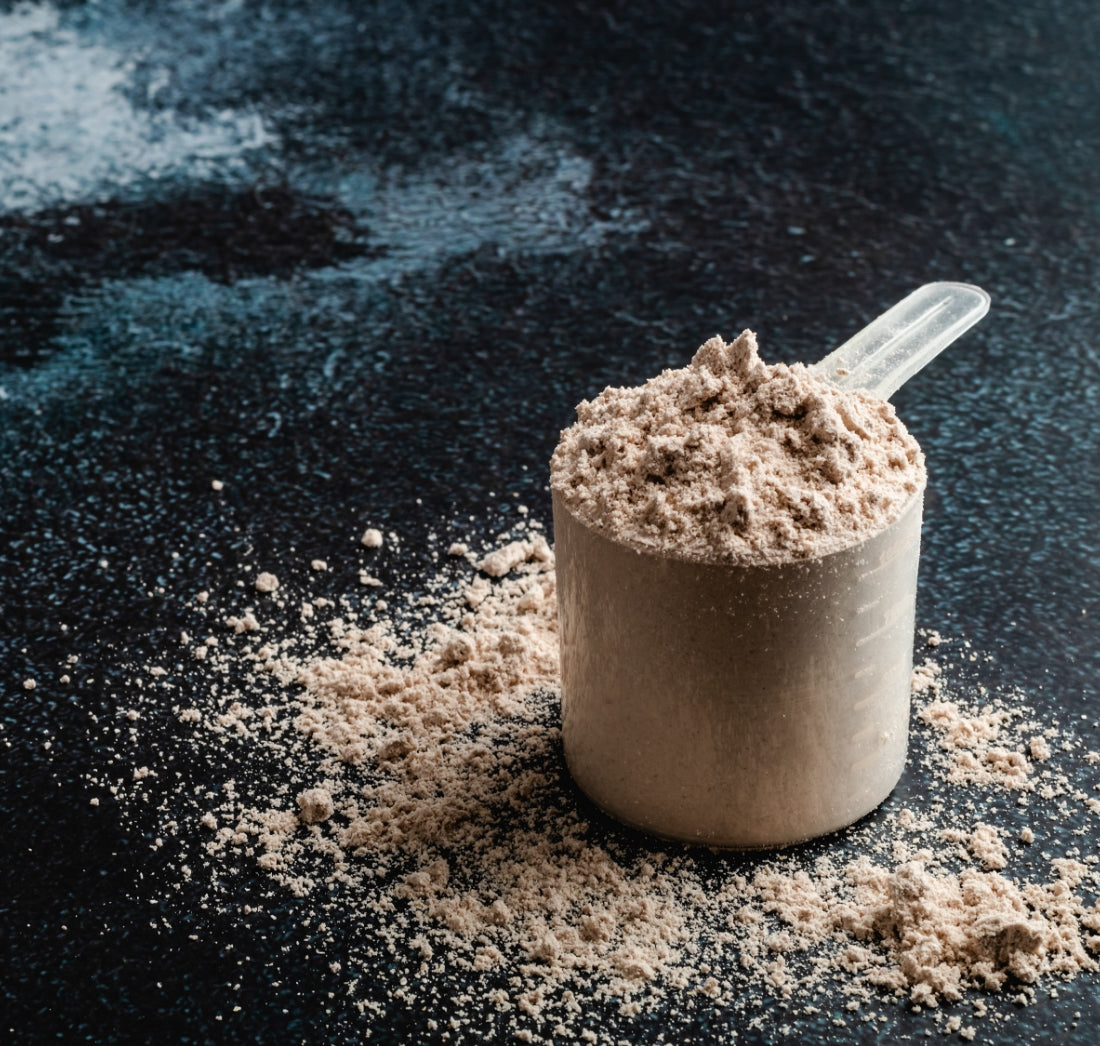
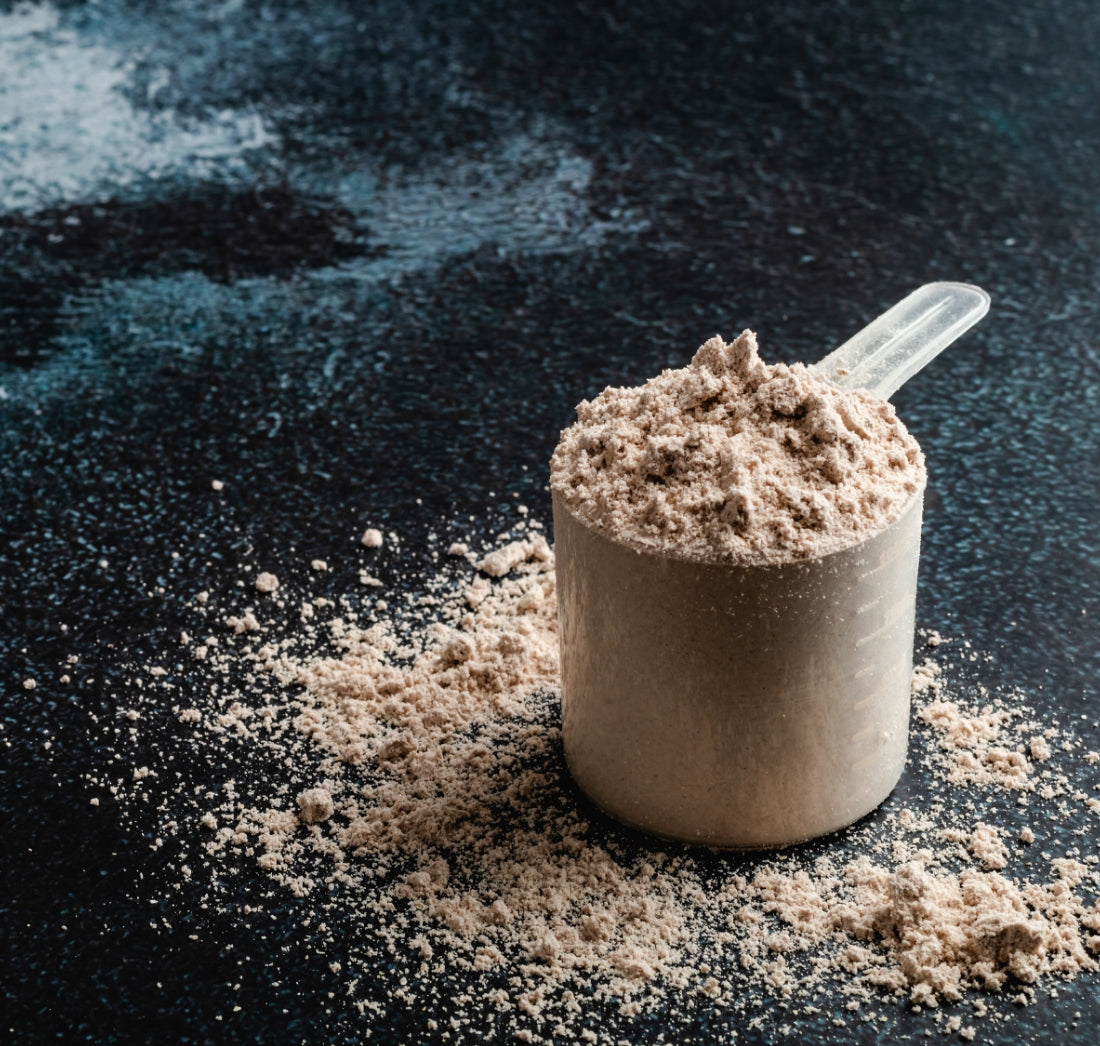
The format matters. Raw pollen powder has an earthy, slightly resinous taste and can be stirred into foods. Cracked-cell-wall powders and extracts may be easier to mix and are often chosen by people looking for a more concentrated, convenient option. Neither is automatically better for every person. Your choice depends on taste, budget, sensitivity, and the protocol you will actually follow.
How to Use Pine Pollen in a Daily Routine
Start with the manufacturer’s suggested serving, especially if pine pollen is new to you. A smaller initial serving for several days is a sensible way to see how your body responds before moving to the full amount listed on the package.
Most people use pine pollen earlier in the day. Its golden, tonic character fits naturally with breakfast or a morning drink, and taking it with food can be a comfortable choice for those with sensitive stomachs. There is no universal best time, though. Consistency matters more than chasing a perfect hour.
If your routine is already crowded, choose one anchor habit. Add pine pollen to the same breakfast, smoothie, or recovery shake every day rather than leaving it on the counter for an ambitious ritual that never happens.
Stir It Into a Morning Tonic
The simplest preparation is also often the most effective. Stir your serving into a small amount of room-temperature water, then add lemon, raw honey, or maple syrup if the taste is new to you. Follow with breakfast or enjoy it alongside a protein-rich morning meal.
Pine pollen does not dissolve as cleanly as a highly processed drink mix. That is normal. Whisk it briskly, use a handheld frother, or shake it in a jar with a tight lid. A little texture is part of the experience.
Avoid using boiling water. Very hot liquids are not necessary, and gentler preparation better suits a botanical food valued for its naturally occurring compounds.
Add It to Smoothies and Protein Shakes
For people who train, pine pollen is especially easy to use in a post-workout shake. Blend it with a substantial protein source, berries, banana, full-fat yogurt or kefir if tolerated, and a pinch of sea salt. The fruit and creaminess soften its forest-floor flavor while the meal gives the ritual more nutritional weight.
A good shake does not need ten powders. Pine pollen works best when it has room to be noticed. Pair it with one protein foundation and a few whole-food ingredients rather than turning your blender into a cabinet-cleanout exercise.
Fold It Into Food
Pine pollen can also be mixed into yogurt, chia pudding, oatmeal, overnight oats, or homemade energy bites. Add it after cooking rather than baking it into high-heat recipes. Its flavor pairs particularly well with honey, cacao, cinnamon, vanilla, berries, citrus, and nut or seed butters.
If you prefer a savory route, try a small amount in a lemony vinaigrette or whisked into softened butter with herbs and sea salt. Begin modestly. Pine pollen has a bold character, and more is not always better for flavor or for your routine.
A Practical Pine Pollen Protocol
Use the label as your primary guide, then let your goals determine the context. Someone who wants a simple wellness ritual may use it with breakfast. Someone focused on training recovery may take it with a post-training meal. Someone who travels frequently may favor single, repeatable servings mixed into a shaker bottle.
For the first week, keep the rest of your protocol steady. Do not introduce pine pollen on the same day you begin three new supplements, change your diet, and double your training volume. That makes it hard to understand what is working and what is not.
After a week or two of consistent use, assess the practical markers that matter to you: how easily you maintain the habit, whether the format agrees with your digestion, and whether it fits your energy and training rhythm. This is a more useful approach than expecting a dramatic overnight shift from any single botanical.
Some people prefer daily use. Others rotate pine pollen through periods of higher training demand, seasonal transitions, or times when their meals feel less varied. Both approaches can make sense. A daily practice is valuable when it remains enjoyable and compatible with the rest of your nutrition.
What to Look for When Choosing Pine Pollen
Pine pollen is a seasonal ingredient, so sourcing and handling shape the final product. Look for transparent information about the botanical source, country or region of harvest, processing method, and ingredient deck. A clean product should not need a long list of fillers, artificial flavors, or unnecessary sweeteners to earn a place in your cabinet.
You may also see products described as raw, broken-cell-wall, or extracted. Raw powder is the closest to the whole-food form. Broken-cell-wall processing is intended to make the pollen’s contents more accessible. Extracts may be more concentrated and convenient, but they are not interchangeable with a whole pollen powder. Read the serving size and choose based on your preference, not just the largest number on a label.
Quality storage matters too. Keep pine pollen sealed tightly in a cool, dry place away from direct sunlight. Moisture and repeated heat exposure are not friends to delicate botanical powders.
Who Should Be Careful With Pine Pollen?
Pine pollen is not the right choice for everyone. Because it is pollen, anyone with a known pine allergy, significant seasonal pollen allergies, asthma triggered by airborne allergens, or a history of severe allergic reactions should avoid experimenting without guidance from a qualified healthcare professional.
Stop using it and seek medical advice if you develop signs of an allergic reaction, such as itching, hives, swelling, wheezing, or trouble breathing. Do not try to push through symptoms in the name of resilience.
Those who are pregnant, breastfeeding, managing a hormone-sensitive condition, or taking prescription medications should speak with a clinician or pharmacist before adding pine pollen. Traditional use and enthusiastic wellness culture are not substitutes for individualized medical advice.
Make the Ritual Worth Keeping
The strongest supplement protocol is rarely the most complicated one. It is the one that belongs naturally in your day: a golden spoonful in a breakfast bowl, a shaker after a hard session, or a small tonic before you step into the work ahead.
Choose pine pollen with the same discernment you bring to training, food, and recovery. Source it well, use it consistently, and let it earn its place in your routine through steady practice rather than inflated expectations.


