





A steak, a shake, or a bowl of eggs can be built for performance, yet still leave you heavy, bloated, or strangely unsatisfied. Learning how to improve protein digestion is not about forcing more protein into your day. It is about creating the conditions for your body to break it down, absorb its amino acids, and put those raw materials to work.
For the Surthrivalist, protein is foundational. It supports training recovery, lean tissue, immune function, connective tissue, enzymes, and the steady strength needed for a full life. But more is not always better when the digestive terrain is underpowered. Better preparation, better pacing, and a more intelligent protein protocol can change the equation.
Protein Digestion Starts Before the First Bite
Protein digestion does not begin in the stomach. It begins with the signal that a meal is coming: the sight, smell, and taste of food, followed by the mechanical work of chewing. This is one reason rushed meals can feel so different from meals eaten with a settled nervous system.
Chewing breaks food into smaller pieces and mixes it with saliva. More importantly, it slows the meal enough for your digestive system to prepare. When food arrives in the stomach, hydrochloric acid helps unfold protein structures while pepsin begins breaking them into smaller chains. The small intestine then takes over, using pancreatic enzymes to reduce those chains into amino acids and small peptides that can be absorbed.
That sequence needs resources and rhythm. Eating hunched over a laptop, taking down a dense shake in 30 seconds, or piling an oversized serving of protein onto an already stressed system can create friction at every stage.
Try treating at least one protein-rich meal each day as a real meal. Sit down. Take a few slow breaths before eating. Chew until the texture is mostly smooth, especially with meat, nuts, and dense plant foods. This is not ceremonial wellness theater. It is a practical way to give digestion a better starting position.
How to Improve Protein Digestion With Smarter Portions
A massive protein serving is not automatically a superior serving. Your ideal amount depends on body size, activity level, age, total calorie intake, and the foods surrounding it. A hard-training adult may need substantially more protein than a sedentary adult, but even a high-protein target is often easier to tolerate when distributed across the day.
Instead of making dinner carry half your daily intake, build protein into two to four meals. This can reduce the sense of fullness that comes from asking your stomach to process a large volume of dense food at once. It also gives you more opportunities to use varied sources: eggs at breakfast, a quality protein shake after training, fish or poultry at lunch, and slow-cooked meat, legumes, or a plant-forward bowl at dinner.
The form matters, too. Ground meat, eggs, yogurt or kefir when tolerated, fish, collagen-rich broths, and well-cooked legumes may feel easier for some people than a large, dry chicken breast or a thick steak. That does not make one food universally better. It means texture, cooking method, and individual tolerance matter.
If you regularly feel weighed down after red meat, experiment before eliminating it. Choose a smaller portion, cook it more gently, pair it with cooked vegetables, and eat it at lunch rather than late at night. A slower-cooked cut may sit differently than a charred, oversized steak eaten after a long stressful day.
Build the Meal Around Digestive Capacity
Protein does not exist in isolation. The rest of the plate can either support digestion or turn the meal into a traffic jam.
Cooked vegetables and modest amounts of fiber can help create a more balanced meal for many people. But suddenly adding huge amounts of raw cruciferous vegetables, beans, bran, or high-fiber snack foods to a high-protein diet can create gas and bloating. Fiber is valuable, but dosage and adaptation matter. Increase it gradually, drink enough water, and favor cooked foods if your gut is currently sensitive.
Fat deserves the same nuance. A little fat can make a meal satisfying and support nutrient intake, while a very high-fat meal can slow stomach emptying and feel heavy for some people. If your post-meal discomfort shows up after rich cuts of meat, fried foods, creamy sauces, or large handfuls of nuts, test a leaner preparation for a week. Do not assume protein itself is the problem.
Carbohydrates can also influence how a protein meal feels. For active people, pairing protein with fruit, potatoes, rice, squash, or other easy-to-tolerate carbohydrates can support training recovery and make meals more satisfying. The right choice is the one that fuels you without leaving your digestion overloaded.
Choose Protein Powders With Intention
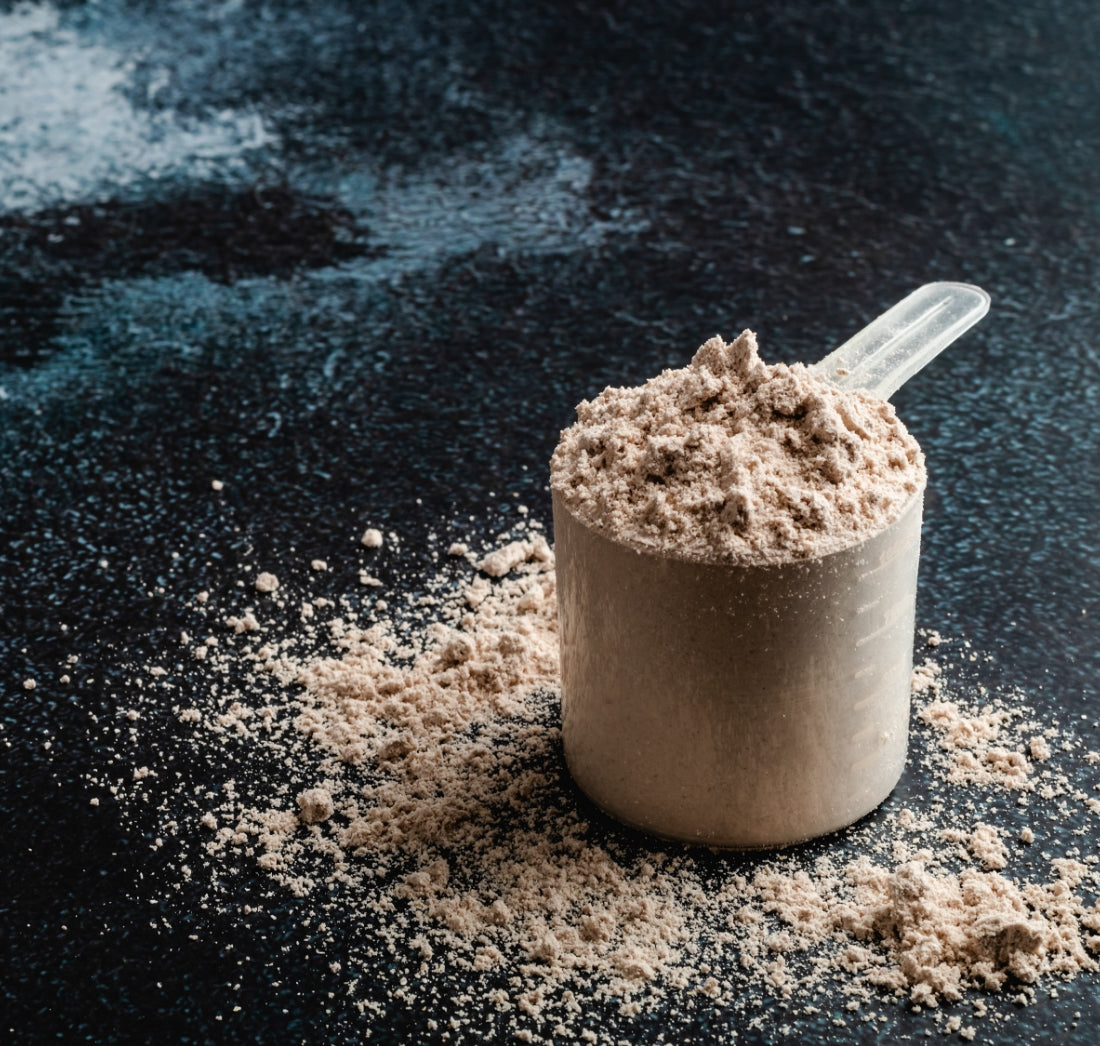
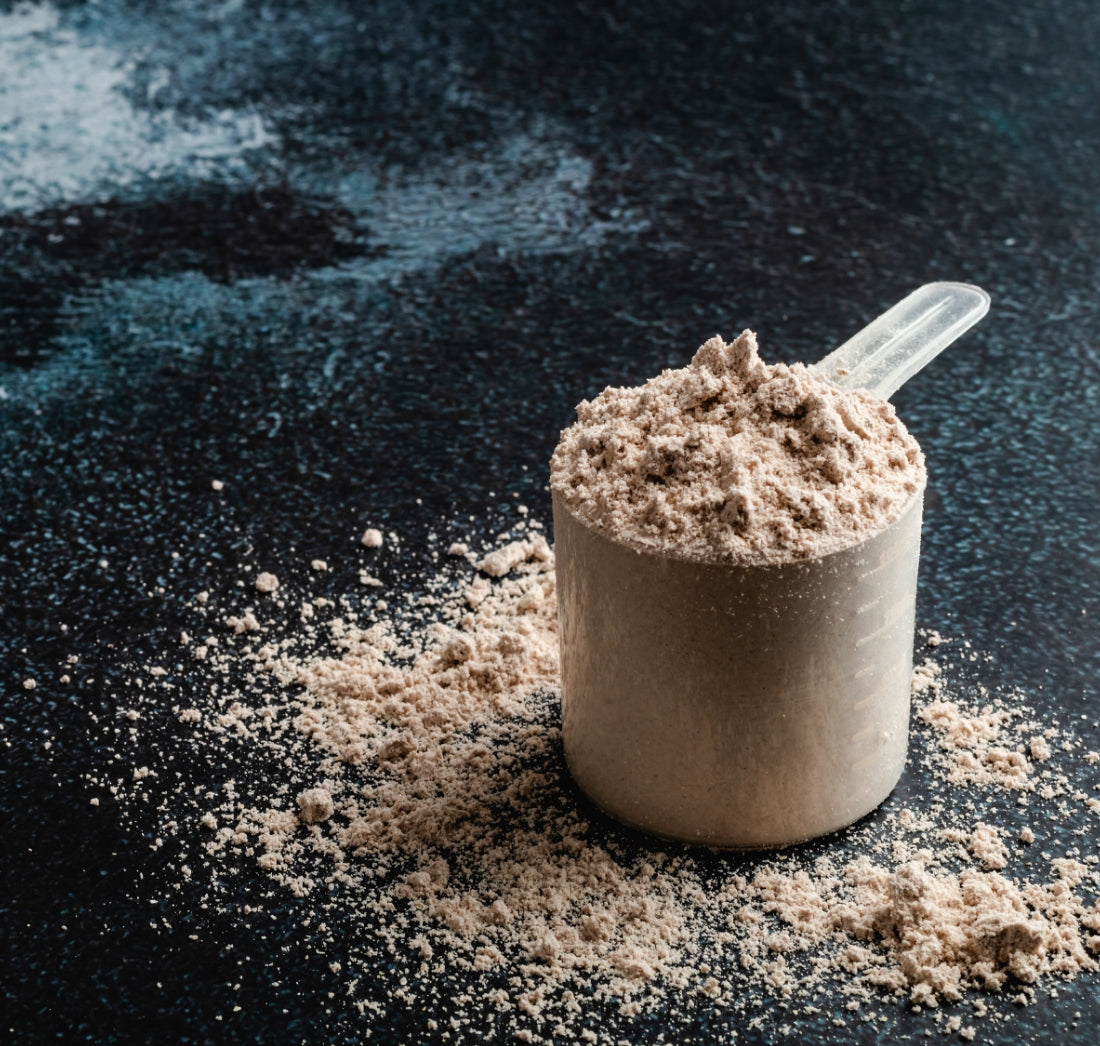
Protein powder is useful when whole-food meals are impractical, appetite is low after training, or you need a convenient bridge between commitments. It should feel like support, not like a daily digestive battle.
If a shake causes bloating, do not automatically blame all protein powders. First look at the full formula. Sugar alcohols, gums, artificial sweeteners, large amounts of added fiber, dairy ingredients, and oversized scoops can all be factors. Simplify the ingredient deck and change one variable at a time.
Whey protein may work well for one person and poorly for another, especially if lactose sensitivity is in the picture. Some people tolerate whey isolate better than whey concentrate because it typically contains less lactose. Others prefer egg white, beef-based, collagen, or thoughtfully formulated plant protein. Plant proteins can be highly useful, but blends with pea, rice, hemp, or seeds may feel different depending on fiber content and personal tolerance.
Black walnut protein offers a distinct whole-food option for those seeking a plant-based powder with a more grounded, savory profile. As with any protein powder, start with a moderate serving and assess how you feel over several days rather than judging it from one rushed shake.
Blend your shake thoroughly, sip it rather than chugging it, and consider using room-temperature or lightly chilled liquid if icy drinks tend to cramp your stomach. The details are small. Their effect can be meaningful.
Support the Stomach, Not Just the Supplement Shelf
Many people try to solve protein discomfort by adding more powders, capsules, and enzymes before addressing the foundations. Supplements can have a place, but they work best inside a sound routine.
Digestive bitters are a traditional tool used before meals to stimulate the bitter taste response and support digestive secretions. For some people, a small amount before a protein-rich meal may be a useful ritual, particularly when appetite feels flat or meals tend to sit heavily. Surthrival Digestive Bitters can fit this kind of targeted protocol, provided you tolerate bitter herbs well and follow the product directions.
Digestive enzyme formulas containing proteases are another option some people use with heavier meals. They are not a substitute for chewing, meal pacing, or medical care. If you use them, test them strategically instead of taking them automatically with every bite. Notice whether a particular meal, portion size, or protein source is the real trigger.
Be cautious with any product meant to increase stomach acidity or digestive activity. People with reflux, ulcers, gastritis, swallowing pain, a history of gastrointestinal surgery, or medications that affect the stomach should speak with a qualified clinician before experimenting.
Train Your Nervous System to Receive Food
A body in fight-or-flight mode prioritizes immediate survival, not a leisurely breakdown of dinner. This does not mean stress is the sole cause of digestive symptoms. It means chronic stress, poor sleep, intense training, and rushed eating can all reduce your margin for a demanding meal.
Create a short downshift before eating. Step away from work. Put the phone face down. Take five slow breaths through the nose. If you train hard, give yourself a little time after the session before eating a large solid meal, especially if your stomach is still unsettled. A lighter shake or smaller meal first may be more comfortable.
Consistent meal timing can help, too. You do not need a rigid schedule, but grazing all day and then eating a giant protein-heavy meal at night rarely gives digestion its best shot. Build a rhythm your body can recognize.
When Protein Digestive Symptoms Need More Attention
Occasional fullness after a large meal is normal. Ongoing bloating, nausea, pain, reflux, diarrhea, constipation, unexplained weight loss, persistent fatigue, or blood in the stool deserves a closer look. Food intolerances, lactose intolerance, celiac disease, gallbladder concerns, pancreatic conditions, infections, medication effects, and other issues can all influence digestion.
Do not self-diagnose every symptom as “low stomach acid” or assume a supplement will fix it. Keep a simple food and symptom log for one to two weeks. Note protein source, portion size, meal timing, stress level, sleep, and symptoms. That record can reveal useful patterns and gives a clinician better information if you need support.
Your strongest protein protocol is not the most extreme one. It is the one you can digest, recover on, and repeat: real food, deliberate meals, potent simplicity, and enough awareness to let your body tell you what is working.


