





A bovine colostrum sourcing guide should begin with one non-negotiable question: what happened to the calf? Colostrum is nature’s first food for all mammals, produced in the crucial period after birth to support a newborn’s early nourishment and development. A premium supplement starts with a farm system that protects that purpose first, then collects only a responsible surplus.
That distinction separates a meaningful colostrum product from a commodity powder with a compelling label. For the ingredient-literate buyer, sourcing is not a background detail. It shapes the integrity of every scoop.
Start With Calf-First Collection
A responsible colostrum program gives the newborn calf priority access to its mother’s first milk. This is not merely a feel-good claim. It is the baseline for ethical collection and a signal that the producer understands colostrum’s biological role.
After the calf’s initial needs are met, a carefully managed dairy may collect excess colostrum. The exact timing and amount depend on the animal, the farm’s veterinary protocols, and the available supply. There is no one-size-fits-all collection window that guarantees quality. What matters is whether the supplier can clearly describe its calf-feeding policy, monitoring practices, and collection standards.
Be skeptical of vague phrases like “farm fresh” when they are not supported by process details. Better sourcing partners can speak directly about herd care, collection procedures, and how they determine usable surplus. Transparency should feel ordinary, not difficult to obtain.
The First Milking Matters, But So Does Verification
Colostrum is richest in its earliest phase after calving. It contains a naturally complex matrix of proteins, fats, carbohydrates, growth factors, immune-active compounds, and other constituents that make it different from mature milk. As the postpartum period advances, its composition changes quickly.
That is why premium formulas often emphasize first-milking or early-milking colostrum. Still, timing alone is not a complete quality standard. A first-milking claim is only as valuable as the controls behind it. Producers need clear batch handling, cold-chain discipline where appropriate, and a way to confirm that the material meets their stated specifications.
This is where testing earns its place. Buyers may see immunoglobulin G, or IgG, highlighted on labels and product pages. IgG is a useful marker because it helps indicate the presence of one important class of naturally occurring proteins. But it should not be treated as the entire story. Colostrum is a whole-food matrix, and a single number cannot capture every aspect of its composition or usefulness.
A high IgG figure can be meaningful when it comes with responsible collection, thoughtful processing, and honest labeling. Without that context, it is marketing shorthand.
Ask What the Number Means
If a brand promotes an IgG percentage, look for clarity around whether the figure refers to the raw ingredient, the finished powder, or a standardized target. Also consider whether the company tests batches rather than relying only on a supplier’s broad specification.
More is not always better if the pursuit of a single metric strips away the wider character of the food. The strongest standard is potency with integrity, not a number pushed beyond its natural context.
Choose Processing That Respects a Delicate Food
Colostrum is not a hard, stable mineral that can be treated casually. It is a sensitive food with proteins and bioactive components that can be affected by heat, moisture, and aggressive handling. The processing method matters because it helps determine what reaches the final powder.
Low-temperature drying is commonly favored for colostrum because it can remove moisture while taking a gentler approach than high-heat processing. Freeze-drying may also be used in certain applications. Neither phrase automatically guarantees superiority. The relevant question is whether the manufacturer has validated its process and maintains consistent controls from collection through packaging.
Processing also needs to address food safety. Reputable suppliers use appropriate screening and quality systems for their ingredient and finished products. Look for a brand willing to discuss microbial testing, contaminant testing, and identity verification in practical terms. A premium product should be both potent and carefully made.
Avoid the assumption that “raw” is always the highest standard. In supplements, raw can be an imprecise marketing word. A more useful lens is minimal, controlled processing that preserves quality while meeting responsible safety standards.
Read the Label for What Is Missing
A clean colostrum label is usually a good sign. The ideal formula does not need a parade of sweeteners, flavors, fillers, gums, or unnecessary blends to make its case. For buyers seeking bovine colostrum as an ancestral food-based supplement, simplicity is part of the appeal.
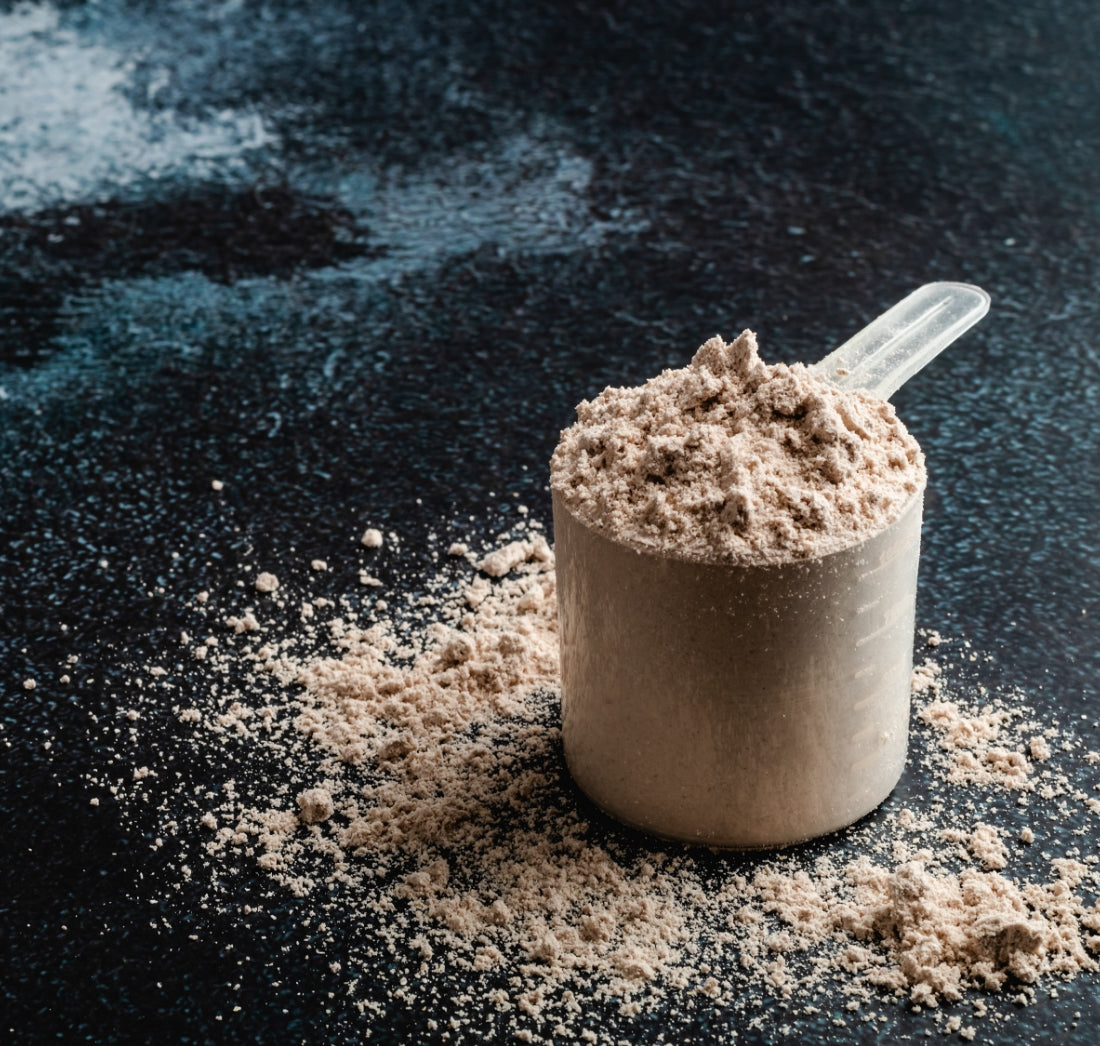
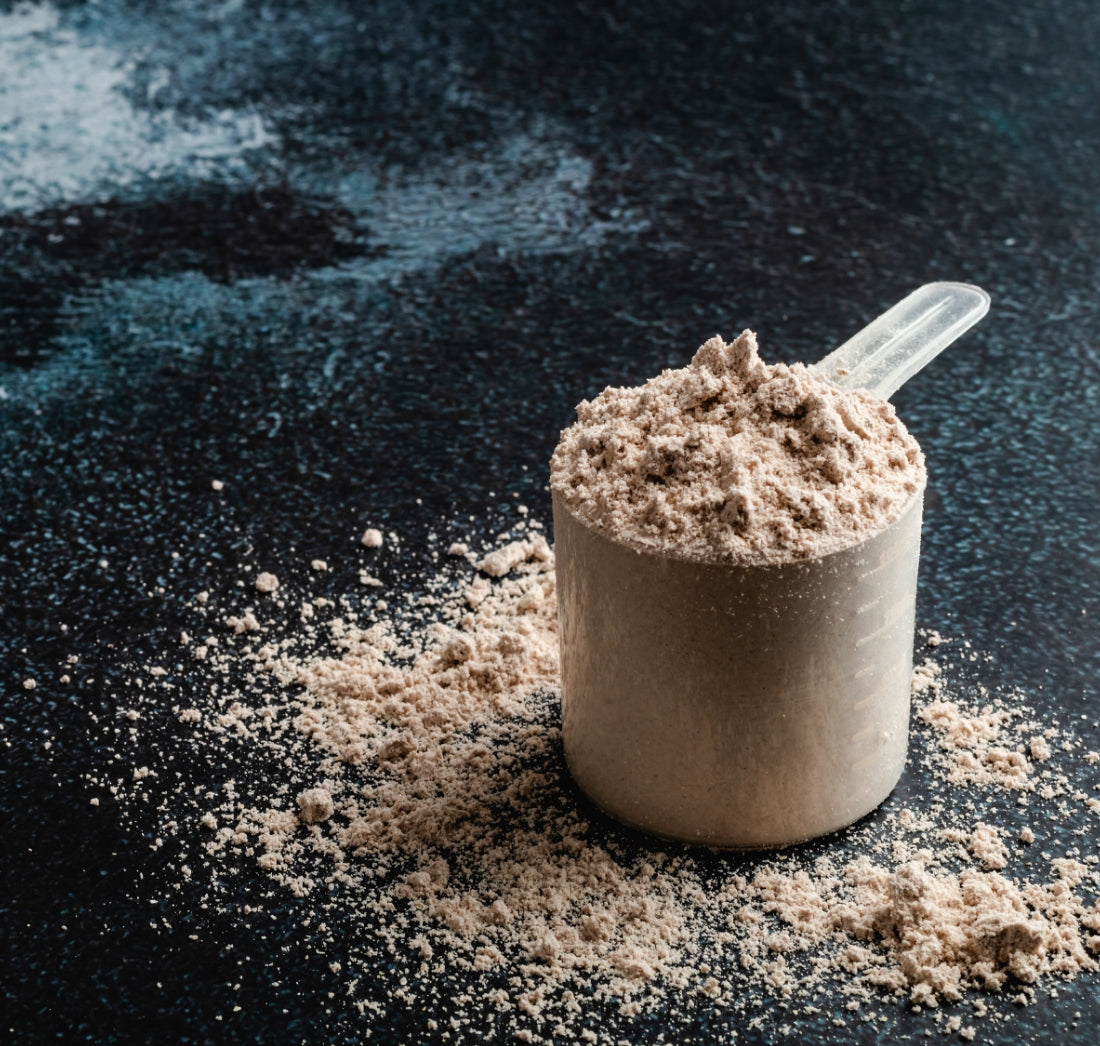
Plain bovine colostrum powder gives you the clearest view of what you are taking and how much. Capsules can be convenient for travel and tighter routines, while powder offers easier dose flexibility and can be stirred into cool water, yogurt, or a smoothie. The better format depends on compliance. The product you take consistently is more valuable than the perfect product left in the cabinet.
If you choose a flavored formula, read the full ingredient deck. Flavor is not inherently a problem, but it should not obscure a low dose of the featured ingredient or turn a foundational food into a candy-like delivery system.
Traceability Is a Premium Standard
Bovine colostrum sourcing becomes more credible when a brand can trace the ingredient back through the supply chain. That does not require publishing every farm’s private business details. It does mean the company should know where its colostrum comes from, how it is collected, and which quality controls apply to each lot.
Geography can matter, but it is not a shortcut. Colostrum from a pasture-based herd may appeal to shoppers who value traditional animal husbandry and outdoor-raised livestock. Yet “grass-fed” alone does not confirm calf-first practices, testing, or careful processing. Conversely, a domestic dairy with strong animal-care standards and rigorous lot documentation may offer more meaningful assurance than a distant source with beautiful language and little proof.
For US buyers, domestic sourcing can offer practical advantages in oversight, supply-chain visibility, and communication. But country of origin should be evaluated alongside the full standard, not used as the only purchasing criterion.
What a Credible Brand Should Be Ready to Share
When evaluating a colostrum supplement, ask whether the company can speak to the basics without deflection:
- Whether calves receive priority access to colostrum
- Whether the ingredient is collected during the earliest postpartum period
- How the powder is processed and handled
- What testing is performed for quality and safety
- Whether batch and supplier records support traceability
Match the Product to Your Protocol
Colostrum is often used by people focused on digestive comfort, immune resilience, training recovery, and everyday vitality. Individual response varies, and supplements are not a substitute for medical care, sleep, nourishment, or a well-built training plan. But for people who value traditional, food-based tools, colostrum can be a purposeful addition to a daily foundation.
Start with the serving guidance on the product label and keep the routine simple. Many people prefer it in the morning, mixed into a cool drink or taken between meals. Others build it around training or travel periods when they want extra consistency in their wellness habits. Heat may not be ideal for a delicate powdered food, so avoid stirring it into very hot liquids unless the manufacturer specifically says otherwise.
Those with a dairy allergy should avoid bovine colostrum. If you have a medical condition, are pregnant or nursing, or are managing a dairy sensitivity, speak with a qualified healthcare professional before adding it to your routine.
The right colostrum is not the one with the loudest promise. It is the one backed by calf-first ethics, measured potency, clean processing, and a supply chain strong enough to stand behind. Choose the source with the discipline to earn a place in your daily ritual, then give that ritual the consistency it deserves.


