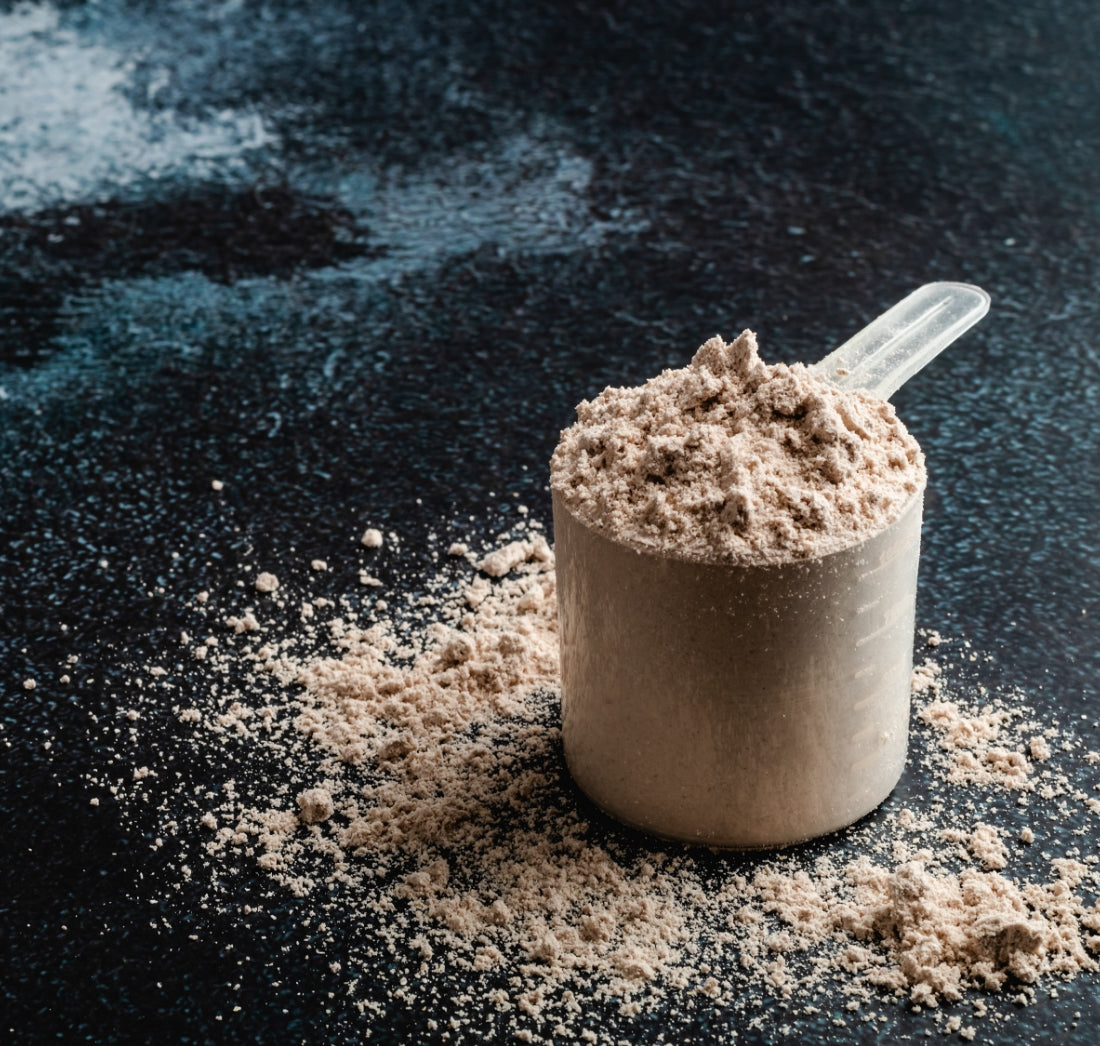
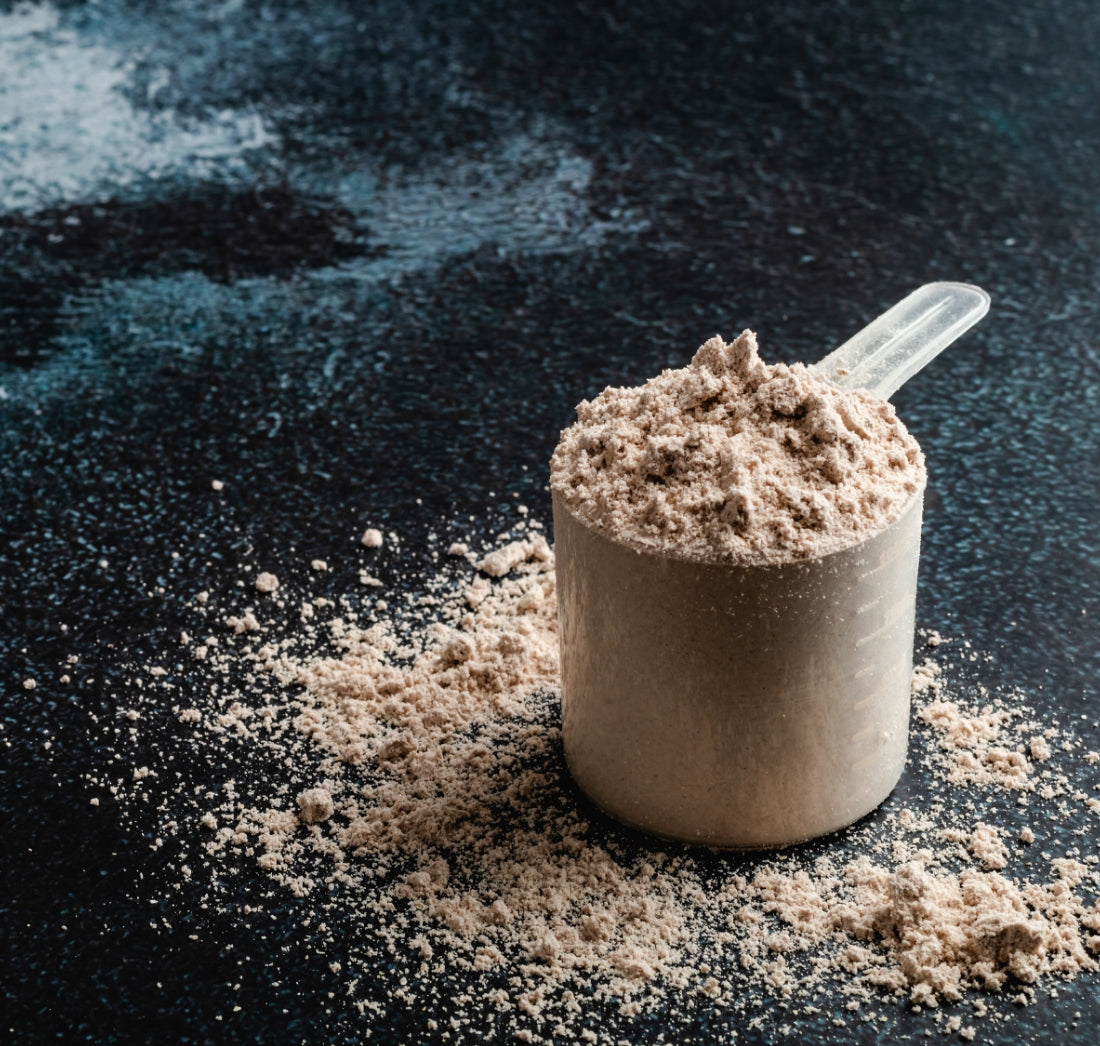






Colostrum is not a trend built in a lab. It is nature’s first food for all mammals: a concentrated, biologically active substance designed to help build resilience from the start. But a premium colostrum review should look past the broad promise of immune and digestive support. The real distinction lives in the herd, the handling, the processing, and the integrity of what reaches your scoop.
For people who train hard, travel often, manage full calendars, or simply refuse to coast through the day, bovine colostrum can earn a place in a disciplined daily protocol. It is not a substitute for food, sleep, movement, or stress management. It is a potent addition to those foundations when the formula is sourced and made with care.
What “Premium” Should Actually Mean
A premium price is not proof of a premium product. Colostrum can be sold in a glossy tub with vague sourcing, unnecessary flavors, and no meaningful detail about how the ingredient was handled. That is packaging, not potency.
A formula worthy of the word premium begins with responsible bovine sourcing. Look for a company willing to explain where its colostrum comes from and how calf nourishment is protected. First feed belongs to the calf. Responsible collection practices are the baseline, not a bonus.
The next distinction is biological integrity. Colostrum contains naturally occurring compounds, including immunoglobulins, lactoferrin, peptides, and growth factors. Those are the reasons people seek it out. Heavy-handed processing, excessive heat, and careless storage can work against the very qualities that make colostrum valuable in the first place.
Finally, premium should mean concise. Unflavored colostrum does not need a parade of fillers, sweeteners, gums, or proprietary-blend language to justify itself. A clean formula makes it easier to know what you are taking and to assess how it fits your body.
Premium Colostrum Review: The Quality Checkpoints
Start with the source, not the marketing
Ask where the bovine colostrum is sourced and whether the company has standards for animal care, collection, and testing. Geographic origin alone is not a complete quality marker, but transparent sourcing is a strong signal. So is a manufacturer that can speak plainly about its supply chain rather than hiding behind phrases like “farm fresh” or “advanced complex.”
Grass-fed positioning may matter to some buyers, especially those who prioritize traditional animal nutrition and pasture-based agriculture. Still, it should not become a shortcut for discernment. A grass-fed claim does not automatically tell you how quickly the colostrum was processed, whether it was tested, or whether it was diluted with lower-value ingredients.
The strongest brands make room for both ethics and function. They respect the animal, preserve the raw material, and give the buyer enough information to make an informed choice.
Processing is where potency can be protected or lost
Colostrum is a food with sensitive active components. The goal of processing is to make it stable and safe while retaining as much of its naturally occurring value as possible. That is why gentle low-temperature processing and careful drying methods are worth asking about.
You do not need to become a manufacturing specialist to buy well. You do need to notice whether a brand provides substance. If its product page only repeats generic wellness claims and avoids processing details altogether, treat that as incomplete information.
Testing also matters. A premium colostrum product should be made with quality controls appropriate for a dairy-derived supplement, including testing for contaminants and microbiological quality. The best choice is rarely the one making the loudest promise. It is the one that demonstrates restraint, transparency, and respect for the ingredient.
Read the Supplement Facts panel with a clear eye
The ideal ingredient deck is usually brief: bovine colostrum, a clearly stated serving size, and little else. Capsule formats may require a capsule material. Powder formats may include a minimal flow agent. Beyond that, every added ingredient should have a reason to be there.
Be especially wary of formulas that make a small amount of colostrum look substantial through long blends or flavor systems. A vanilla-sweetened powder may be pleasant, but it is not necessarily the right choice for someone seeking a concentrated daily food-based protocol. Plain powder can be less glamorous, yet it offers more control over dose and fewer variables.
Immunoglobulin content is another detail buyers often seek. It can be useful, but it is not the only measure of quality. Colostrum is a complex whole food, not a single isolated compound. Consider the full picture: sourcing, processing, testing, serving size, ingredient simplicity, and the brand’s willingness to be specific.
What Colostrum May Support in a Real-World Protocol
Most people do not take colostrum because they want another supplement on the counter. They take it because they want to feel more durable. The most common reasons are digestive comfort, immune resilience, training recovery, skin support, and the desire to maintain a strong foundation through demanding seasons.
The gut is often the center of the conversation. Colostrum’s naturally occurring components may support the intestinal barrier and a balanced digestive environment. That can make it appealing for people who notice that stress, travel, intense training, or inconsistent meals leave their digestion feeling less steady.
For active adults, the appeal is equally practical. Hard sessions create a recovery demand. Long workdays do too. Colostrum is not a stimulant and should not be judged by a dramatic first-day sensation. Its value is more often cumulative: a steady practice that supports the systems responsible for keeping you in the game.
Results vary. Some people notice digestive changes relatively quickly, while others use colostrum for weeks before deciding whether it belongs in their routine. Your baseline habits, diet, stress load, training volume, and individual tolerance all matter.
How to Use Colostrum Without Overcomplicating It
Consistency beats novelty. Follow the product’s labeled serving guidance and take it daily for a meaningful trial period, often several weeks. Powder can be stirred into cool water, a smoothie, or yogurt. Avoid adding it to very hot liquids if preserving delicate components is a priority.
Many people prefer colostrum on an empty stomach or between meals, particularly when their goal is digestive support. Others take it with breakfast because that is the routine they will actually keep. Both approaches can work. The best protocol is the one you can repeat without friction.
Start at the lower end of the suggested serving range if you are new to colostrum or tend to react to dietary changes. Then assess digestion, energy, and overall tolerance before increasing. There is no prize for taking more than you need.
Colostrum also pairs naturally with a foundation-first approach: protein-rich meals, adequate minerals, daylight exposure, strength work, restorative sleep, and targeted support where your lifestyle demands it. A product such as Surthrival’s bovine colostrum makes the most sense as part of that larger standard, not as a rescue plan for a neglected baseline.
Is Premium Colostrum Worth the Cost?
That depends on what you are comparing it against. A premium formula will often cost more because responsible sourcing, smaller-batch quality control, careful processing, and clean ingredients cost more. If those details are documented, the higher price can represent meaningful value.
But expensive is not automatically effective. Calculate the cost per serving, check the amount of actual colostrum in that serving, and examine what else is in the container. A lower-priced product that requires multiple servings to provide a comparable amount may not be the better buy. Conversely, a premium product that offers no sourcing or processing information has not earned its premium position.
Think of colostrum as a daily resilience investment rather than an impulse purchase. If the formula is clean, the sourcing meets your standards, and you will use it consistently, it can be a worthwhile addition. If the label leaves you guessing, keep looking.
Who Should Be More Careful
Because bovine colostrum is dairy-derived, anyone with a milk allergy should avoid it unless a qualified healthcare professional specifically advises otherwise. People with dairy sensitivity may tolerate it differently than conventional dairy foods, but sensitivity is personal and should not be dismissed.
Pregnant or nursing individuals, children, and those managing a medical condition or taking medications should speak with a qualified healthcare professional before beginning a new supplement. Colostrum supports wellness, but it is not intended to diagnose, treat, cure, or prevent disease.
Choose the formula with the clean label, credible sourcing, and processing standards you would want if you were building your health practice for the long haul. The best colostrum routine is quiet, consistent, and strong enough to support the life you intend to live.


