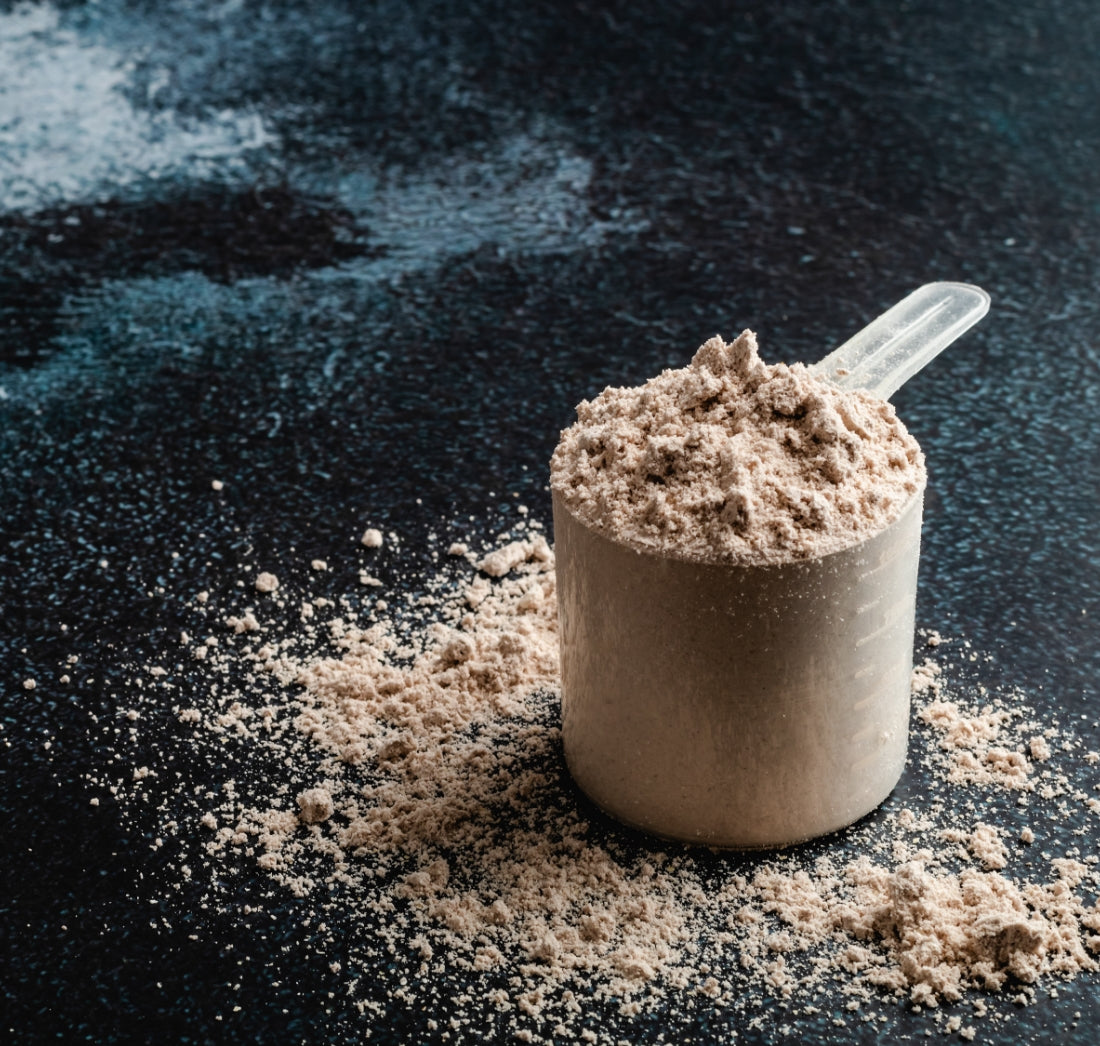
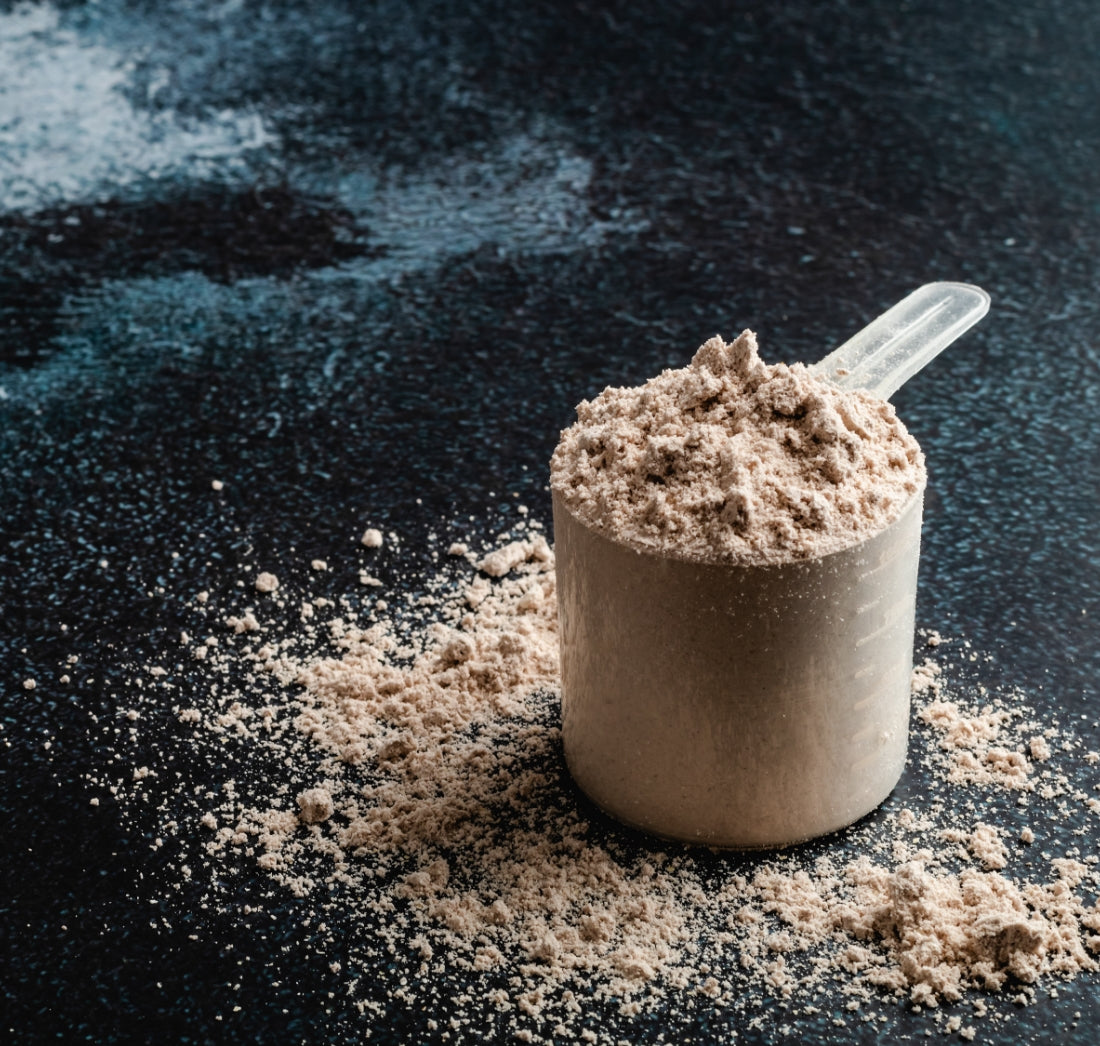






Tooth powder is not meant to turn your bathroom into a dusty experiment. Used well, it is a focused, low-waste oral-care ritual: a small amount, a damp brush, a gentle hand, and a few unrushed minutes at the sink. Knowing how to use tooth powder helps you get the clean-mouth feel you want without wasting product or scrubbing your gums into submission.
For Surthrivalists, the appeal is straightforward. A thoughtfully made powder can keep the ingredient deck concise, avoid the excess water and fillers found in many conventional pastes, and make brushing feel more intentional. But natural is not a license to be aggressive. Your technique, your tooth sensitivity, and whether the formula contains fluoride all matter.
How to Use Tooth Powder, Step by Step
Start with a clean, soft-bristled toothbrush. Soft is not a compromise. It is the right tool for reaching along the gumline without scraping at enamel or irritating delicate tissue.
Wet the bristles lightly, then shake off the excess water. You want them damp enough for the powder to cling, not dripping. Dip only the tip of the brush into the powder or sprinkle a small pinch onto the bristles. A pea-sized amount of toothpaste is a familiar reference, but with powder, less is usually plenty.
Place the brush against your teeth before you begin brushing. This keeps powder from scattering across the counter. Brush in small, gentle circles, angling the bristles slightly toward the gumline. Work across the outer surfaces, inner surfaces, and chewing surfaces for about two minutes. Give extra attention to the back molars and the inside of the lower front teeth, where buildup often collects.
Spit, then rinse your brush thoroughly. Whether you rinse your mouth afterward depends on the formula and your goals. If the tooth powder contains fluoride, avoid a vigorous water rinse right away so the fluoride has more time in contact with your teeth. If it is fluoride-free, a light rinse is fine if you prefer it. Do not swallow the powder.
That is the protocol. No heavy scoops. No hard polishing. No need to keep dipping your brush throughout the session.
The Cleanest Way to Keep the Jar Hygienic
A shared container calls for a little field discipline. Do not dip a dripping or already-used toothbrush directly into the jar. Saliva and water can introduce moisture, cause clumping, and compromise the fresh, dry texture that makes tooth powder easy to use.
Instead, pour a small amount into your palm, the lid, or a dedicated dry dish, then load your damp toothbrush from there. If the product comes in a shaker-style container, dispense it onto the brush without letting the opening touch the bristles. Keep the lid closed between uses and store the jar somewhere cool and dry, away from constant shower steam.
This small habit protects the formula and makes a premium jar last longer.
Use Gentle Pressure, Not Grit
The sensation of a powder can make people brush harder because it feels different from gel toothpaste. Resist that impulse. The goal is to disrupt plaque with bristles and consistent technique, not scour the surface of your teeth.
Some tooth powders contain abrasives such as calcium carbonate, clay, baking soda, or plant-derived polishing agents. Their effect depends on the full formula, particle size, concentration, and how forcefully you brush. An abrasive ingredient is not automatically a problem, but an overly gritty formula or a heavy hand can be a poor match for exposed roots, enamel wear, gum recession, or sensitivity.
If your teeth feel increasingly sensitive, your gums look irritated, or brushing starts to hurt, pause the product and speak with your dentist. The strongest ritual is the one you can maintain without damaging the terrain you are trying to protect.
Tooth Powder and Fluoride: Know What Your Routine Covers
This is where the conversation needs more than natural-versus-conventional thinking. Fluoride has a well-established role in helping prevent cavities and strengthening enamel, especially for people with a history of decay, dry mouth, frequent snacking, orthodontic appliances, or exposed root surfaces.
Many tooth powders are fluoride-free. That may suit someone who uses fluoride elsewhere in their routine, has specific preferences, or is working with a dental professional on a personalized protocol. But fluoride-free does not automatically mean equivalent cavity protection. If preventing decay is your primary concern, choose a tooth powder with fluoride or use a fluoride toothpaste at another brushing session, based on your dentist's advice.
A mineral-forward formula may support a refined oral-care experience, but it should not be presented as a substitute for every proven preventive tool. Your mouth has its own history. Build your protocol around it.
When Tooth Powder Makes the Most Sense
Tooth powder can be an excellent daily option if you enjoy its format, like a concise ingredient profile, and can brush gently and consistently. It also travels well because it is dry, compact, and not subject to the annoyance of a squeezed tube leaking through your dopp kit.
It may be especially appealing if you dislike the intense foaming of standard toothpaste. Many powders are made without sodium lauryl sulfate, a foaming agent that some people find harsh or drying. Less foam does not mean less clean. It simply means you are relying on good brush contact and technique rather than a mouthful of bubbles.
Still, tooth powder is not necessarily the right choice for every person or every season. If you have active cavities, significant sensitivity, bleeding gums, gum disease, extensive dental work, or ongoing dry mouth, ask your dentist or hygienist before changing your routine. A targeted toothpaste may be more appropriate while you address the underlying issue.
A Better Oral Ritual Beyond the Brush
Tooth powder does its best work as one part of a complete practice. Brush twice daily, clean between teeth once a day with floss or an interdental brush, and keep regular dental visits. No powder, paste, mouthwash, or breath-freshening tonic can fully replace cleaning the surfaces a toothbrush cannot reach.
Your daily inputs matter, too. Frequent sugar exposure, acidic drinks sipped over hours, dehydration, mouth breathing, and reduced saliva can all shift the oral environment in the wrong direction. A high-performance approach is not about chasing a single heroic product. It is about reducing the small pressures that keep your mouth in a state of repair.
If you use tooth powder in the morning, consider what your evenings need. Some people prefer a satisfying mineral-minded powder after waking, then a fluoride toothpaste before bed. Others use the same fluoride-containing powder twice daily. There is no purity test here. There is only the protocol that supports strong teeth, calm gums, and consistency.
Common Mistakes That Make Tooth Powder Less Effective
Using too much is the first mistake. A large mound does not clean better, and it makes the experience messier. Begin with a small pinch and adjust only if the label directs you to use more.
The second is brushing too hard. If your toothbrush bristles flatten quickly, you are likely applying more force than your teeth and gums need. Let the bristles do the work.
The third is expecting a powder to solve persistent oral-health symptoms. Bad breath that does not improve, bleeding gums, tooth pain, swelling, or sensitivity to hot and cold deserve professional attention. A clean ingredient list is valuable, but it is not a diagnostic tool.
Finally, do not share a jar by dipping multiple wet brushes into it. Use a dry dispensing method and keep the container protected from moisture.
A tooth powder ritual should leave you feeling clear, fresh, and steady, not stripped or sore. Start small, brush with restraint, and choose a formula that fits the real needs of your mouth. That is how a simple ancestral format earns its place in a modern resilience practice.


