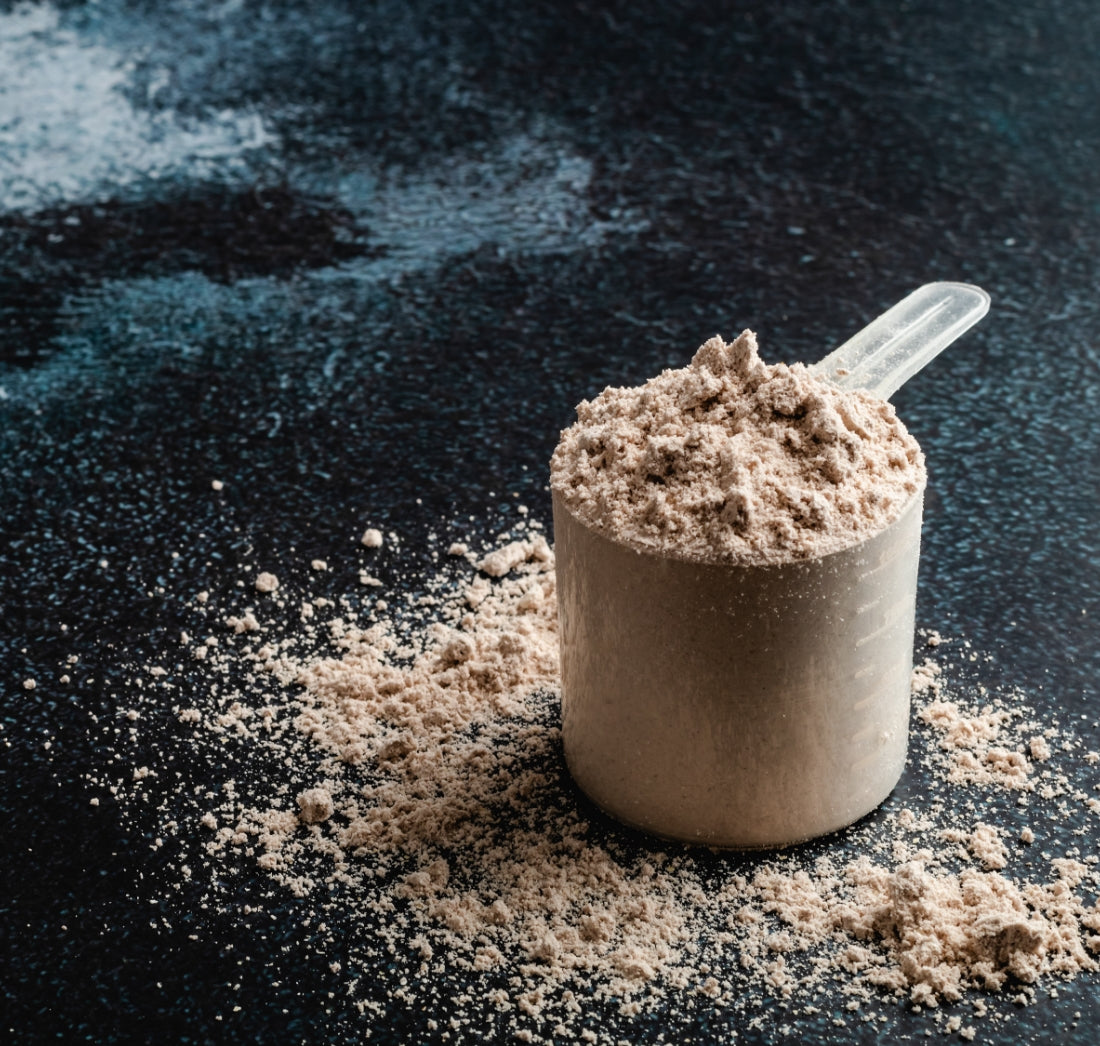
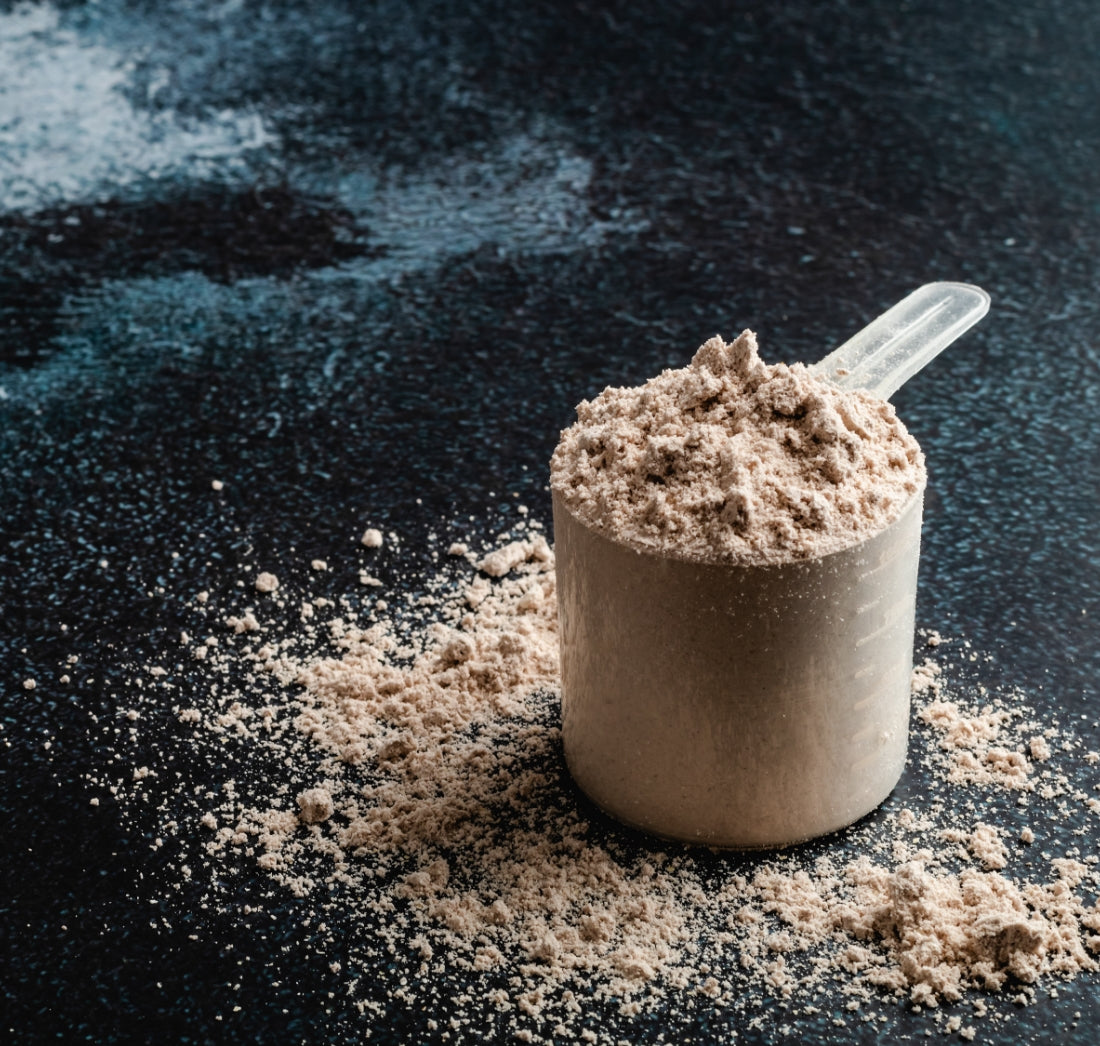






A mushroom powder can look dark, earthy, and convincing while delivering very little of the compounds that made the mushroom worth taking in the first place. The same is true for resinous herbs, mineral concentrates, colostrum, and animal-derived extracts. Extract potency testing is how a serious brand moves beyond appearance, marketing language, and raw-material romance to verify what is actually present in the finished material.
For people building a daily protocol around resilience, performance, digestion, immunity, or healthy aging, that distinction matters. A low-cost powder may carry the right name on its label. A properly made extract is judged by what it retains, concentrates, and consistently delivers.
Potency Is More Than a Big Number
Potency describes the measurable strength of a material. In an extract, it usually refers to specific constituents associated with the ingredient's defining qualities: beta-glucans in functional mushrooms, triterpenes in certain fungal extracts, polyphenols in botanicals, or immunoglobulins in bovine colostrum.
But a large number on a label is not automatically a mark of quality. The first question is always: what exactly is being measured? A percentage only has meaning when the compound, the test method, and the serving size are clear.
Consider a mushroom extract labeled with 30% polysaccharides. That figure may sound impressive, but polysaccharides can include starches that do not reflect the mushroom's most sought-after beta-glucan content. A more revealing specification identifies beta-glucans directly and distinguishes them from alpha-glucans, which commonly include starch.
The same principle applies across categories. With colostrum, total protein alone does not tell the full story. For an extract rich in traditional mushroom compounds, a generic “active complex” can be too vague to be useful. The best specifications connect the ingredient to a relevant, measurable marker without pretending that one marker captures the entire intelligence of a whole food.
What Extract Potency Testing Should Measure
Thoughtful testing begins before a product is blended, encapsulated, or packaged. A raw material should first be verified for identity. This helps confirm that the botanical, fungus, or animal-derived ingredient is truly what the supplier says it is, rather than a substitute, diluted material, or incorrectly identified species.
From there, potency testing measures the compounds that define the extract's intended character. The appropriate method depends on the material. High-performance liquid chromatography, or HPLC, may be used to quantify particular botanical compounds. UV-visible methods can assess certain groups of constituents. Enzyme-based methods may be more appropriate for beta-glucans. Protein and immunoglobulin analysis may matter for colostrum.
No single testing method is best for every ingredient. That is why broad claims such as “lab tested” are only a starting point. A useful question is whether the test matches the ingredient and the claim being made.
A complete quality program also looks beyond potency. It should evaluate microbial load, heavy metals, pesticide residues when relevant, and other contaminants that can enter through soil, water, processing, or storage. Potency without purity is not a premium standard. Purity without meaningful potency is not much of a protocol, either.
Why Extraction Method Changes the Result
An extract is not simply a powdered plant or mushroom with a more impressive label. Extraction is a deliberate process used to draw particular compounds out of a raw material and concentrate them into a practical serving.
Water extraction is often used to access water-soluble compounds, including beta-glucans in many functional mushrooms. Alcohol extraction can draw out different compounds, such as triterpenes. Some materials benefit from a dual-extraction process because their relevant constituents do not all dissolve in the same medium. The result depends on the species, the starting material, the ratio of raw material to finished extract, and the control used throughout processing.
This is where trade-offs enter the picture. A full-spectrum powder may preserve the broad character of a whole food, while a standardized extract can provide greater consistency for a targeted compound. Neither format is automatically superior. The right choice depends on what you want from the ingredient and whether the product is honest about what it is.
For example, fruiting-body mushroom material and mycelium-grown grain products can have very different compositions. A product may still have a place in a routine, but it should not be presented as equivalent to a concentrated fruiting-body extract when the measurable compounds tell a different story.
How to Read a Potency Claim Without Getting Played
Start with the serving size. A label stating 20% of a compound group offers little context if the serving provides only a tiny amount of material. Multiply the percentage by the grams or milligrams in a serving to understand what you are actually taking.
Next, look for specificity. “Standardized extract” is stronger than an unqualified powder claim, but it still leaves questions. Standardized to what? At what percentage? Is the constituent naturally present, or was it added separately to reach a target number?
Then consider the form of the ingredient. A 10:1 extract ratio can sound powerful, but ratios can mislead when the starting material, extraction efficiency, and final marker compounds are unknown. A ratio tells part of the production story. It does not replace finished-product potency data.
Finally, notice the language around testing. “Tested for quality” is broad. A certificate of analysis, often called a COA, can be more useful when it shows the material name, lot number, test date, methods, specifications, and results. It does not need to read like a chemistry textbook. It should, however, show that a brand has defined standards and verifies them.
The Difference Between Standardized and Over-Standardized
Standardization is valuable because nature varies. Seasonal conditions, geography, soil, harvest timing, and storage all affect the composition of natural materials. Testing helps establish a dependable baseline from lot to lot, so your daily serving is not a gamble.
Yet there is a point where chasing one isolated compound can strip away the wider character of an ingredient. Traditional botanicals and fungi contain complex matrices of compounds that often work together. A product engineered to maximize one laboratory marker may not always be the most complete expression of the source material.
The stronger approach is disciplined balance: verify meaningful markers, maintain clean sourcing, and preserve the ingredient's natural profile where that profile matters. Potency should support the whole material, not reduce it to a marketing statistic.
What Premium Buyers Should Expect
Premium supplements cost more when the work behind them is real. Wild-foraged or carefully cultivated ingredients require authentication. Concentrated extracts require processing expertise. Repeated testing requires time, equipment, and accountability. Those are not ornamental details. They are the foundation beneath the label.
That does not mean every product needs to publish every internal document or chase an endless catalog of numbers. It does mean a brand should be able to explain its ingredient form, its potency markers, and its quality controls in plain language. If the answer stays vague, the claim probably is too.
At Surthrival, the standard worth pursuing is simple: choose ingredients with a reason, concentrate them with care, and respect the intelligence of the person taking them. Your protocol is built one serving at a time. Make those servings count.
The next time you reach for an extract, do not ask only whether it is natural. Ask what it contains, how that was verified, and whether the result earns a place in your daily Hunter's Portion. That is where informed supplementation becomes a practice of self-mastery.


