





Your gut is not asking for more noise. It is asking for the right signal at the right time. In the question of colostrum versus probiotics, the real decision is not which ingredient wins. It is whether you need to nourish the terrain of the gut, replenish its microbial residents, or do both with intention.
Both belong in a serious resilience protocol. But they are not interchangeable. Colostrum is nature’s first food for mammals, rich in bioactive compounds designed to support the developing gut and immune system. Probiotics are live microorganisms intended to add or influence beneficial microbial activity. One is a concentrated nourishment source. The other is a microbial tool.
Knowing the difference keeps you from treating every digestive setback with the same generic supplement shelf approach.
Colostrum versus probiotics: the core difference
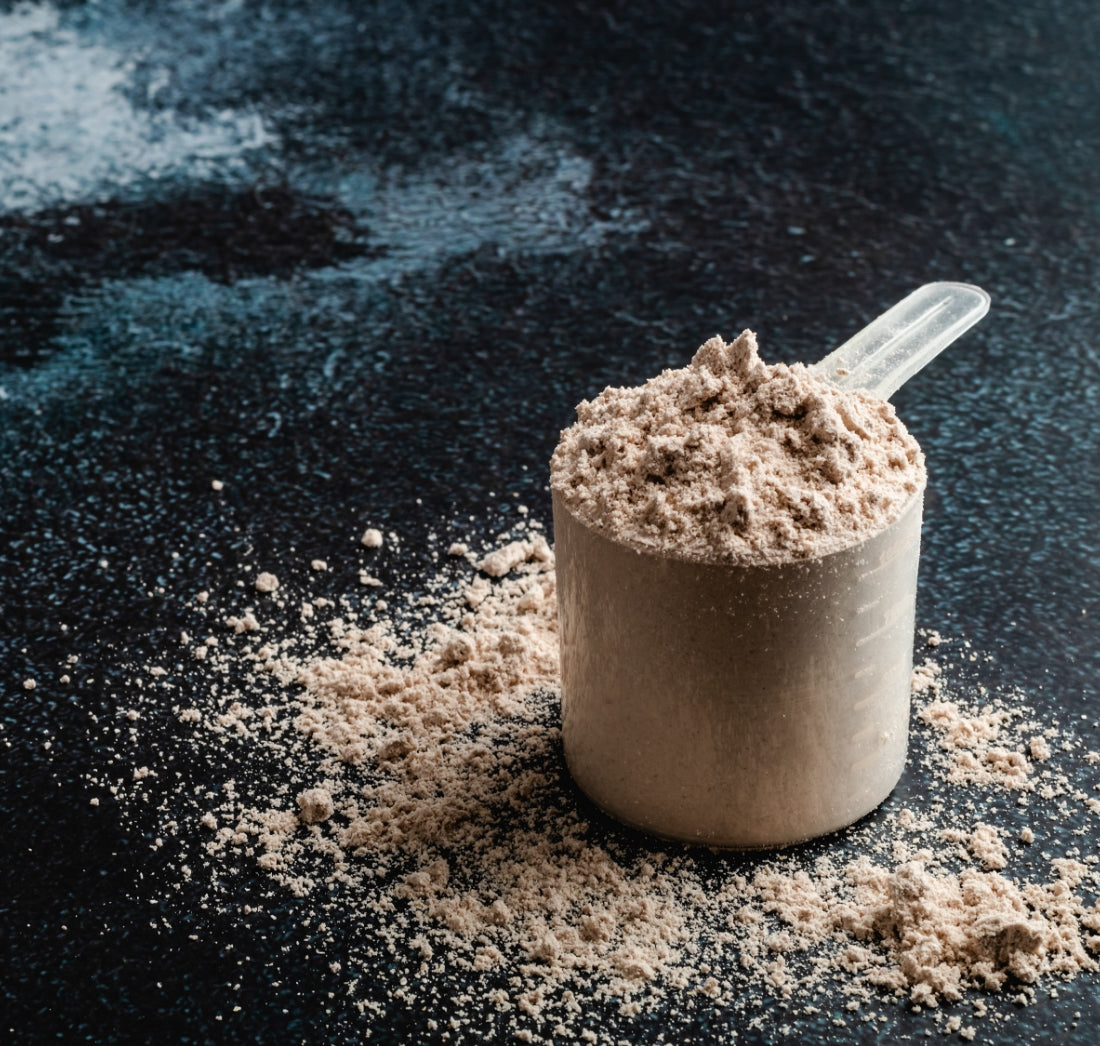
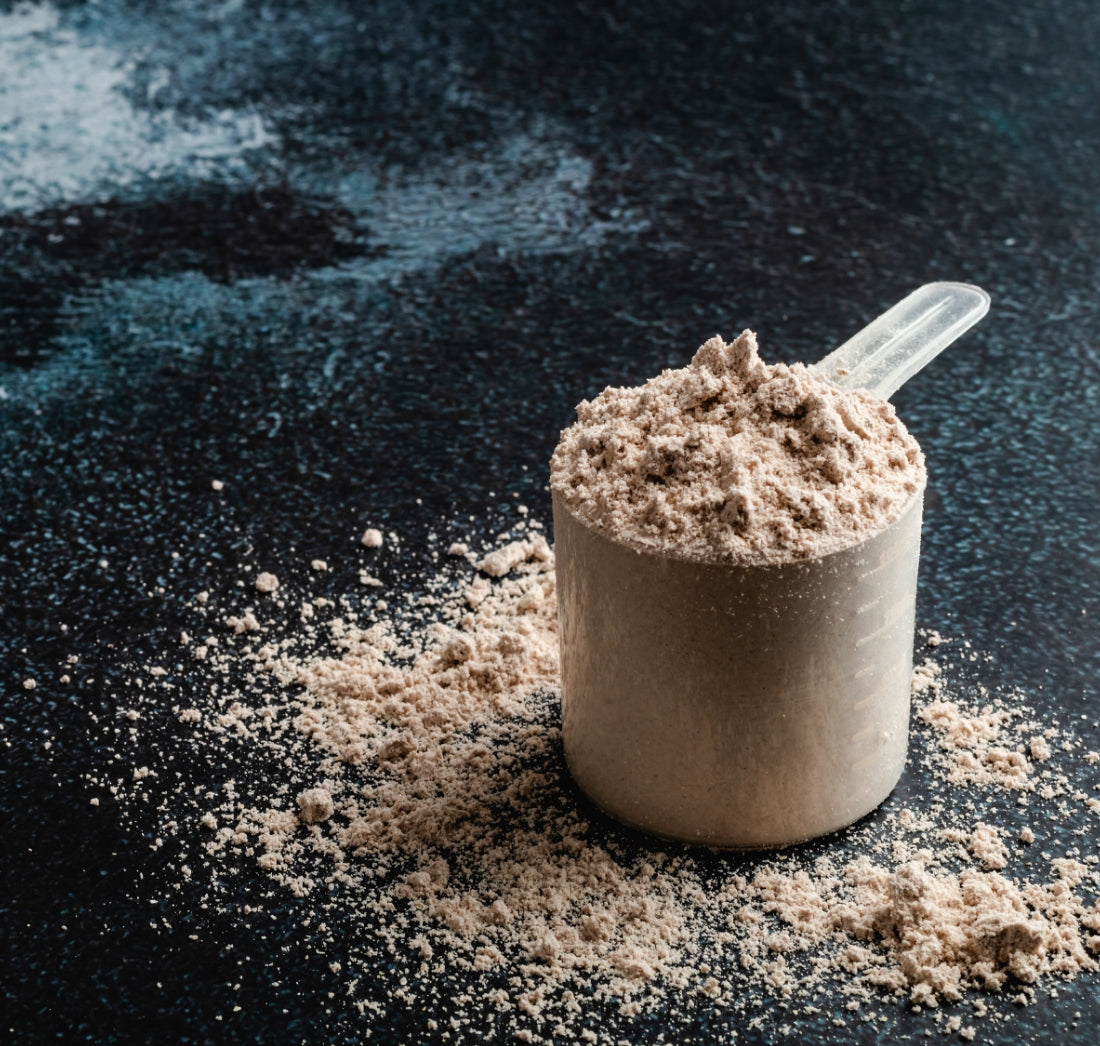
Bovine colostrum is the nutrient-dense first milk produced shortly after a calf is born. Quality colostrum supplements concentrate naturally occurring immunoglobulins, growth factors, peptides, and prebiotic compounds. These constituents are why colostrum has become a staple for people focused on digestive integrity, immune readiness, recovery, and skin health.
Probiotics contain specific strains of live bacteria or yeasts. Their effects can be highly strain-dependent. A formula built around one strain may be studied for occasional digestive discomfort, while another may be selected for regularity, antibiotic recovery, or vaginal health. The label matters. The strain matters. The storage and survivability of the product matter.
Think of the gut as living terrain. Probiotics introduce or support particular inhabitants. Colostrum helps supply the protective nourishment that supports the landscape itself. That is a useful distinction for anyone who has spent years rotating through capsules without a clear reason why.
When colostrum may be the stronger starting point
Colostrum is often the more foundational choice when the goal is broad digestive and immune support rather than a narrow, strain-specific intervention. It is particularly compelling for people whose systems feel worn down by hard training blocks, frequent travel, inconsistent meals, chronic stress, poor sleep, or a history of highly processed eating.
The gut barrier is not an abstract wellness concept. It is a working boundary between what enters your digestive tract and what your immune system encounters. Colostrum’s naturally occurring components, including immunoglobulins and growth factors, are valued for their role in supporting healthy gut barrier function and immune balance.
That does not make colostrum a cure for digestive disease, food reactions, or persistent symptoms. Those deserve professional evaluation. But for the person seeking a food-based, whole-system supplement to reinforce everyday resilience, colostrum can be a powerful first move.
It also has an advantage for people who do not tolerate probiotics well. Some individuals experience temporary gas, bloating, or changes in bowel habits when beginning a probiotic, especially with high-dose or multi-strain formulas. Colostrum is not automatically right for everyone, but it does not depend on introducing live organisms into the gut.
The colostrum profile
Choose colostrum when your protocol calls for foundational support around digestion, immune demands, training recovery, or skin vitality. Look for a clean, carefully sourced bovine colostrum formula with minimal unnecessary additions. Potency is not only about a big number on a label. It is about sourcing, careful processing, and a formula you can use consistently.
Those with a dairy allergy should avoid bovine colostrum. People who are sensitive to dairy should speak with a qualified clinician before using it, particularly if they have had significant reactions in the past.
When probiotics make more sense
Probiotics can be useful when you have a specific reason to use them. This could include rebuilding a routine after a course of antibiotics, addressing occasional irregularity, or responding to a recommendation from a practitioner who has selected strains for your particular needs.
The key is precision. “More CFUs” is not a universal mark of a better probiotic. Colony-forming units indicate the amount of live microorganisms, but they do not tell you whether the product contains a strain suited to your goal. A well-formulated probiotic should clearly identify its strains, not just list broad species names.
Probiotics also require realistic expectations. Many do not permanently colonize the gut. Their effects may be temporary and dependent on continued use, diet, sleep, stress load, and the environment you create through daily food choices. Fermented foods, fiber-rich plants, adequate protein, hydration, and regular movement still do much of the heavy lifting.
For people with significant immune compromise, severe illness, or a complex medical history, probiotic use should be discussed with a clinician. Live microbes are not a casual experiment in every context.
The probiotic profile
Choose probiotics when you want a targeted microbial strategy and can identify a clear use case. Start with one formula, one serving, and enough time to observe your response. Do not stack several probiotic blends, fermented foods, and prebiotic fibers all at once, then wonder which one changed your digestion.
A disciplined protocol produces better information.
Can you take colostrum and probiotics together?
Yes. For many people, colostrum and probiotics can complement one another. Colostrum contains compounds that may help create a more supportive environment for beneficial microbes, while a well-chosen probiotic can offer targeted microbial support. This is less a battle between products and more a question of sequence and tolerance.
If your digestion is sensitive, begin with colostrum alone for one to two weeks. Take it consistently, ideally following the serving guidance on the product label, and pay attention to your baseline: comfort after meals, regularity, energy, recovery, and any skin changes. Then introduce a probiotic if you have a specific reason to do so.
If you already thrive on a probiotic, adding colostrum may be a sensible way to broaden your protocol beyond microbial supplementation. It is especially relevant during high-demand seasons when your immune system and recovery capacity are being asked to perform.
There is no universal timing rule. Some people prefer colostrum first thing in the morning with water; others take it between meals or add it to a cool smoothie. Probiotics are often taken with a meal, but follow the instructions for the specific formula. Heat can damage live cultures, so do not stir a probiotic into hot coffee or tea.
Build the foundation before chasing the fix
Supplements work best when they reinforce a lifestyle that gives the gut something worth building on. No capsule can outmuscle a pattern of rushed meals, chronic sleep restriction, excess alcohol, relentless stress, and a diet stripped of whole foods.
Start with the basics: enough protein to support repair, a varied intake of plants if tolerated, mineral-rich foods, hydration, movement, and sleep that is treated as training rather than an afterthought. Then use supplements with purpose.
Colostrum fits the ancestral-nourishment side of the equation. It is a concentrated first food, prized for the compounds it naturally contains. Probiotics fit the modern precision side, offering an opportunity to work with selected strains for selected goals. Both can earn a place in a high-performance wellness practice, but neither should be selected by trend alone.
A practical way to choose
If you are deciding between the two, ask a more useful question than “Which is better?” Ask what your body is signaling right now.
If you want broad support for digestive resilience, immune readiness, recovery, and the demands of an active life, start with colostrum. If you are addressing a clearly defined microbiome-related goal and can choose a strain-backed formula accordingly, a probiotic may be the sharper tool. If you need both, introduce them methodically rather than changing your entire routine in a single week.
The strongest protocols are not crowded. They are consistent, well-sourced, and built around what your body can actually use. Give your gut the conditions to adapt, restore, and hold its ground. That is where real resilience begins.


